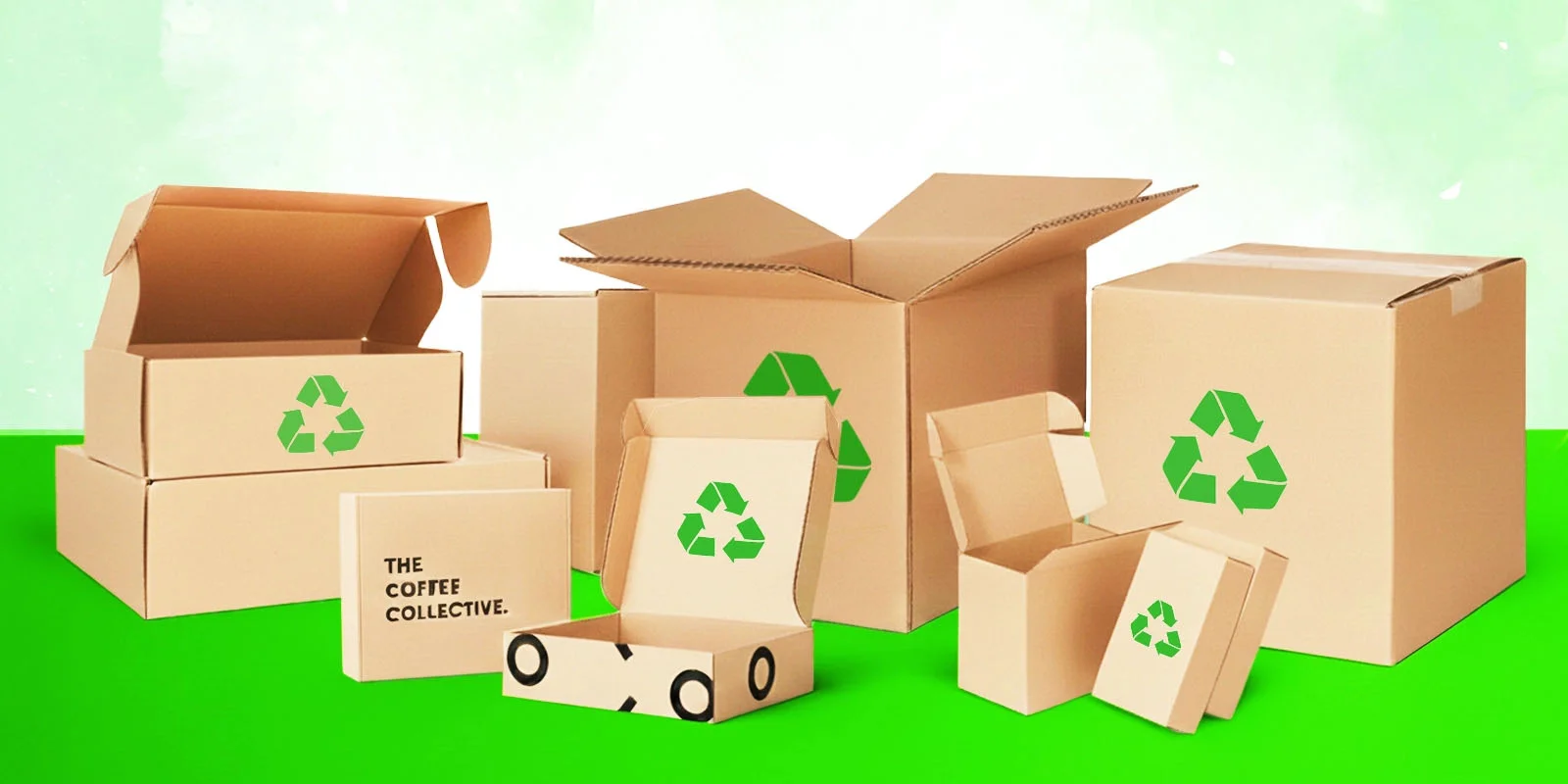
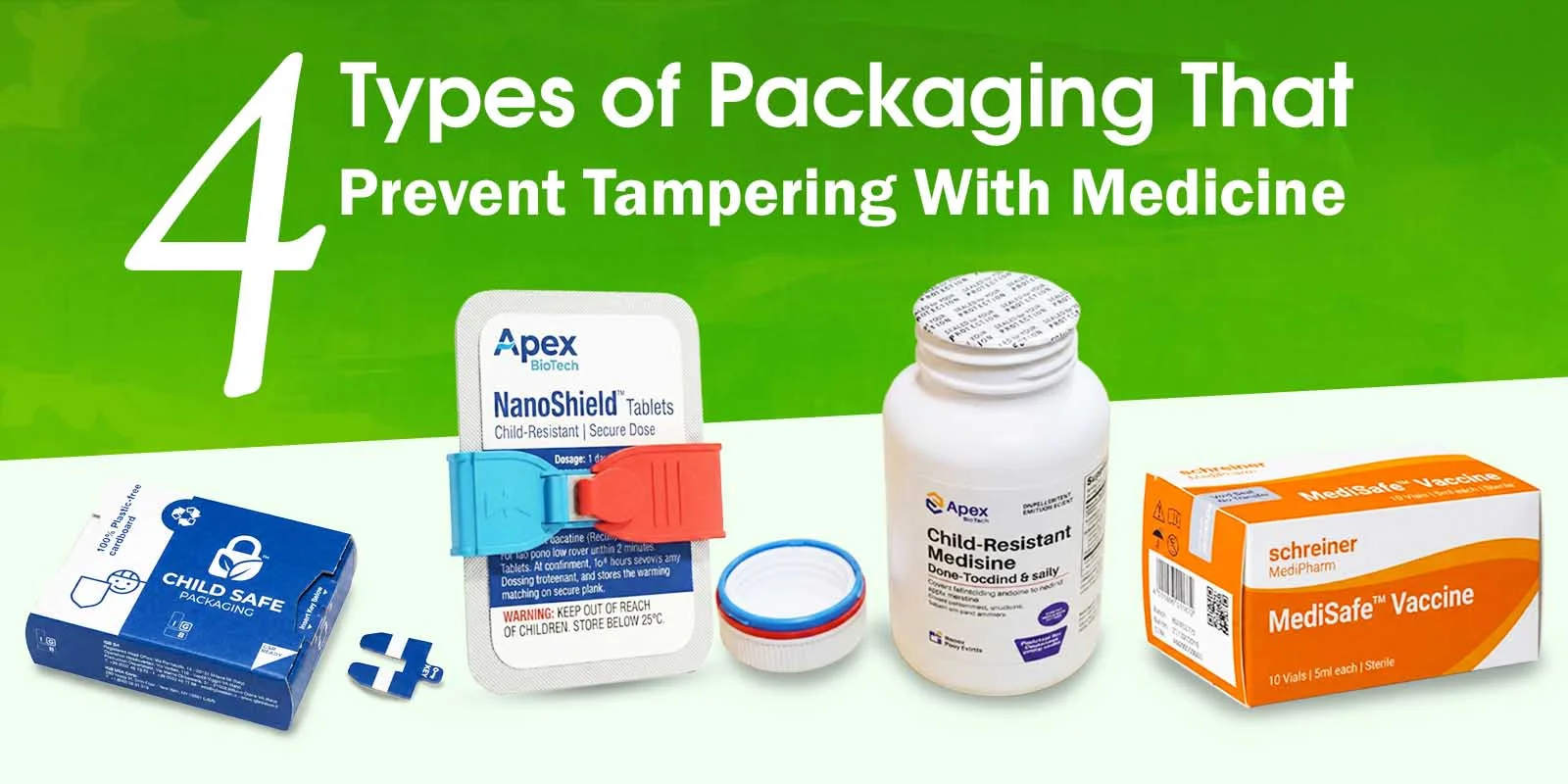
The medicine and the pharmaceutical industry are directly associated with human health. These industries are responsible for any harm and serious reactions caused by the medication to the patients. Therefore, proper packaging is needed to protect the formula of the medicines and prevent them from tampering.
In recent years, many cases of medicine tampering have been reported, leading to serious consequences. These incidents have increased focus on designing tamper-evident packaging to fight against tampering. Tampering is a serious crime that puts several lives at stake and causes risk to public health.
In this blog, we are going to describe four types of packaging that prevent tampering with medicine. From what tampering is to how to prevent tampering, we will discuss everything in detail.
Tampering refers to the serious crime of compromising the quality, integrity, and efficacy of drugs. It means intentional and unauthorized alteration of the medicine, its contents, and damaging the medicine packaging.
Counterfeit pills, broken seals. switched labels: all these are forms of tampering that are a threat to public health. This process also includes contaminating medicines with toxic substances and diluting the active ingredients so that potency can be lowered. These activities pose the risk of poisoning, overdose, or misdiagnosis, leading to an irrecoverable loss.
That's why tamper-resistant packaging is paramount in ensuring the integrity, quality, and efficacy of the medicines.
The information provided in this blog is for educational purposes only. It does not intend to diagnose, treat, or cure any disease. It’s not any medical advice or treatment. It’s just information about the type of packaging options available in the market. Always seek guidance from the professionals, qualified and field experts, for medicinal packaging.
Pharmaceutical packaging is one of the most essential industries that can never be closed. When humans fall ill or get sick, they need medication to recover from their illness. Its importance can be understood by the Mordor Intelligence report. According to the Pharmaceutical Packaging Industry report for the forecast period (2024-29) by Mordor Intelligence,
"In the year 2024, the Pharmaceutical Packaging Market size was estimated at USD 102.10 billion. In the recent years till 2029, it is expected to reach USD 137.28 Billion at a CAGR of 6.10%."
When billions of patients are relying on the medicines for recovery, packaging that prevents tampering becomes more essential. In fact, you can call it a reminder of life and loss of life for the pharma industry. Let's understand the role of packaging in tamper resistance:
The packaging serves as a barrier against the sunlight, heat, and other external factors. The ingredients in medicines are sensitive to these factors, and their efficacy is affected. Therefore, the packaging shields the formula of the medication from contamination.
When it comes to medications, proper labeling of accurate information is necessary. The packaging lets you label critical information like manufacturing date, expiry date, and directions to use.
One primary purpose of pharma packaging is to make your brand visible on the medication to show ownership. This shows credibility and makes people aware of the manufacturer.
As we discussed earlier, medications need protection from sunlight, dust, and humidity to preserve their formula. So the pharma packaging can't be a single layer of packaging. It includes three levels of packaging: primary, secondary, and tertiary.
Primary packaging is the one that directly interacts with the medicine. It refers to the containers that hold medications in any form, solid, liquid, or semi-solid.
The examples include blister packaging, glass bottles, sachets, and vials. They are labeled with necessary information like expiry date, directions to use, ingredients, and precautions.
The second layer of packaging keeps the multiple packages organized and protected during shipment and transportation.
The examples of secondary packaging are boxes, cartons, and shipping containers. They are durable containers that ensure the fragile bottles and containers reach hospitals and medical stores safely.
Even the secondary packaging can fail when you have to deliver the medications in bulk. It's the final packaging layer that protects and organizes the primary and secondary packaging during shipment. It makes sure your products are shipped from the manufacturers to large healthcare organizations and distributors.
Tertiary packaging is usually large shipping boxes, barrels, and edge protectors.
Packaging in the pharmaceuticals industry is more than storage. Its purpose is to protect the medication from external factors that can change the chemical composition of the drugs. A little modification in the chemical formula or in the packaging can put lives at stake. That's why packaging laws keep tightening to design packaging that prevents tampering.
Only a few pharmaceutical packaging solutions are successful in discouraging tampering with medicines. They prevent breaking tamper-event seals and resealing them. Four types of packaging are commonly used to protect pharmaceutical products from tampering:
The blister packs are the most common type of unit-of-use packaging because of their lightweight and ease of carrying. It's the regular type of packaging for pills, tablets, and capsules.
The blister packs, in simple words, are several small plastic bubbles backed by a foil. These small bubbles serve as a compartment for the pills, and each compartment stores one pill. The consumer presses the small bubbles to access the capsule.
The popularity of this packaging type can be depicted by the Pharma Blisters Packaging Market Outlook (2025 to 2035) report:
"The Pharma Blisters Packaging Market was valued at USD 12.5 billion in 2025. It is expected to reach 22.6 billion at a CAGR of 6.1% by the year 2035".
This unit-dose packaging is considered the most robust and safe packaging for pills, tablets, and capsules for the following benefits:
Visibility of the Tablets: The tablets are visible from the packaging, so you can see the pills consumed.
Protection from Moisture and Humidity: The sealed bubbles protect the medication from moisture, air, and humidity to keep it dry and fresh until the user opens it.
Visible Signs of Accessing: This packaging gives you clear signs about the bubbles that were popped to access the medication.
Tracking Ability of Dosage: Because of its tamper-evident structure, the consumer can easily track the pill usage and non-usage.
Protection of Individual Dose: Damage to one unit of medication does not affect the other units.
In the blister packs, the medicine is sealed in a bubble, which is then sealed with a foil at the back. It means the medication is safe until the packaging is broken or tampered with to access the medicine. Moreover, this packaging is tamper-resistant, which makes it tough to open the medicine without damaging the bubble.
This type of packaging is designed for liquid medication storage with tamper evidence. These medicine bottles are sealed with a protective induction or foil seal. This seal indicates that the medication is safe from unauthorized access and safe to use.
The protective seal shows clear signs of tampering or an opening performed by someone other than the distributor. The broken or absent seal will show visible signs of previous opening of the bottle. So users can verify the product's integrity with these seals. Don't purchase if the seal is broken.
For better security, the heat-sealed foil barrier can be paired with the push-and-turn caps. The foil barrier protects the medicines from contamination by air, moisture, and tampering.
This packaging is great to help prevent liquid medicine, powders, jars, and multi-dose bottles. The seal layer complies with the FDA regulations for public safety.
The custom box packaging lets you label the brand and the essential information to gain credibility and trust from the customers.
Shrink bands or wraps with tamper-evident labels are one of the four main types of medicine packaging boxes. It is a plastic film that seals the container's closure with the help of heat. The bottles also come with tamper-evident caps and detachable neckbands. When the cap is opened, the detachable neckbands break away.
The shrink wraps, or bands, are a powerful form of tamper-proof medicinal packaging that, if absent, indicates tampering. Never purchase a medication whose shrink wrap is broken.
Medicines are supplements if taken carelessly, can cause serious consequences, from poisoning to instant death. Children are more likely to consume medicines because they are unaware of the consequences. Therefore, to save the lives of children, child-resistant pharma packaging is designed to prevent young children from accessing the medication without the help of adults.
The child-resistant packaging involves a push-and-turn mechanism that prevents children from opening the bottles by chance. It is not 100% effective, but it still reduces the threat of poisoning and accidental openings.
Push-down-and-turn or squeeze-and-pull caps must be used that safeguard curious hands and alert the adults about tampering, meanwhile. This tamper-proof packaging can be paired with blister packs as well, but with great care.
One example of child-resistant packaging is the bottles with lock mechanisms. It restricts the children and the strangers from opening the bottles. The lock seal breaks once the bottle is opened. It gives a clear signal that the security of the bottle was compromised.
Moreover, it also prevents liquids, powder, tablets, and pills from contamination, spilling, and leakage. Some styles of locking mechanisms include push-and-flip caps, raise-and-flip caps, and screw-on caps.
All four packaging types or packaging methods are effective solutions to prevent tampering so that patient safety can be ensured. The choice simply depends on the type of medicine to be stored.
If you want to ensure tamper-resistance for your medicinal packaging, then you have to add some security features. Otherwise, the medication integrity can be compromised, leading to health risks. Consider adding the following security features:
Serialized Caps: Unique identification codes are mentioned on the closure of medicinal containers that help in batch tracking digitally.
Color-Change Indicators: Visual sensors for heat, pressure, or air exposure must be used that indicate if the efficacy of the medication is compromised by changing hues.
Dosage Calendars: Help patients track their daily consumption for adherence support.
Special Adhesives: The presence of adhesives gives visible signs that the medication has not been tampered with. They break when the drugs are tampered with.
Ink and Holograms: The advanced printing techniques and light-reflective foils make it impossible to replicate visual markers that verify credibility. So ink and holograms ensure anti-counterfeit labeling.
Packaging Paired with Automation Machines: To reduce human error, packaging is designed with automation machines.
There is not only one agency that enforces the tamper-evident standards for pharma packaging. Multiple agencies like the FDA, WHO, MHRA (UK), EMA (Europe), USP <659>, and DSCSA enforce the standards.
FDA: FDA stands for Food and Drug Administration. It's an organization in the USA that requires that the drug product packaging must show visible tampering. It works on two frameworks to enforce tamper-proof standards:
USP <659> are the guidelines for the packaging systems mandated by the FDA. This standard provides definitions and requirements for the packaging material, storage conditions, and tamper-evident features.
DSCSA stands for Drug Supply Chain Security Act. It is a U.S. traceability federal law for pharmaceuticals to electronically track and trace the prescription drugs at the package level. It also helps the FDA to identify counterfeit, stolen, or contaminated products in the supply chain.
WHO: The World Health Organization introduces global standards on counterfeit drug prevention.
MHRA (UK) and EMA (Europe): The Medicines and Healthcare products Regulatory Agency (United Kingdom) and European Medicines Agency (European Union mandate serialization and protection).
Public health safety depends on the trust in the medicine supply chain, so the packaging is very important.
When you are going to decide on the packaging options for your pharmaceutical products, you must follow a checklist designed for US Medicine brand owners. Consider the following requirements:
You must research the common sizes available for the specific medicinal product. Consider the sizes that meet the FDA regulations and standards.
Choose a packaging that lets you do branding and customization for the medicine without compromising the tamper evidence. Without proper branding, the medicine will not be credible for sale or purchase.
Sustainability is no longer a choice; it's a necessity now. Before choosing the packaging material, ensure it's recyclable and a low-waste material.
Consider different options for tamper-evidence so that tampering can be prevented. You can consider child-resistant caps, bottles with locking mechanisms, shrink wraps, and blister packs according to the medication type.
You have to check if the packaging is ready for shipping and distribution in different environments: vibration, cold chain, and handling. Confirm this before shipping and distribution.
Tamper-evident packaging is essential to mitigate the potential branding and regulatory risks. But how much ROI must be put into the high-end packaging, you must evaluate.
Anti-counterfeit measures and serialization are necessary measures to avoid counterfeits. Get the packaging that is compatible with these measures to track any counterfeit whenever suspected.
For compliance and quality assurance, ask the provider to provide you with relevant certifications that the packaging meets the FDA standards.
Not all pharmacies or manufacturers produce their own medicinal packaging; they source from GMP-certified packaging partners for full compliance. When they source packaging, they look for:
Custom pharma boxes: They get different medicine packaging types that match the dosage type.
Tamper-indicating seals: They demand packaging with tamper-evident seals that leave no room for interference and indicate if opened.
Printed medication boxes: They look for packaging with serialization that helps with batch-level tracking.
Luxury packaging: If they are a luxury or expensive brand, they demand premium packaging for brand-sensitive products.
Shrink wrap and seal machinery: They consider purchasing packaging with shrink wraps and a seal mechanism to automate packaging security.
Sustainable and tamperproof packaging: Now, eco-conscious manufacturers want packaging that blends safety with eco-friendliness and sustainability.
Public health depends on the trust of the tamper-evident packaging that keeps medicine safe for use. If the packaging partners do not perform their job properly or cut corners, no tamper-evident design can withstand tampering. If you are a US medicine brand, who is seeking packaging that prevents tampering, you need a reliable packaging partner.
MyBoxPrinting is the packaging choice of 500+ business solutions for their pharma packaging solutions. We have the knowledge of US regulatory standards, and provide you with tamper-evident pharma packaging at wholesale rates that protect the medicines from tampering. Also enjoy the free design assistance and expert advice to transform your pharma packaging into a brand asset.
A right packaging partner will not only fulfill your functional requirement but will also transform pharma packaging into the medicine box with trust, safety, and value.
What are the four types of packaging that prevent tampering with medicine?
The four types of tamper-resistant packaging in the pharmacy include blister packs, child-resistant packaging, foil-sealed bottles, and shrink wraps.
What is tamper-evident packaging?
The tamper-evident packaging is the one that leaves proof of tampering or compromised packaging. The consumer or distributor can see the clear signs.
What are the different types of medication packs?
The different types of medication packs include bottles, blister packs, sachets, vials, ampoules, and pre-filled syringes.
What is the difference between tamper-evident and tamper-resistant packaging?
Usually, both these terms are used interchangeably, but there is a small difference. The tamper-evident packaging has a barrier or indicator that is visible to the consumer and the distributor. If the packaging is tampered with, you will see the signs. Conversely, the tamper-resistant packaging makes tampering difficult but does not leave signs if the packaging was compromised.
By observing the broken or absent seals, tears, gaps in shrink wraps, or broken patterns on the security labels, you can tell the packaging has been tampered with. In addition, the misaligned branding, misspelled words, or bulging containers can be other signs.
How do induction seals prevent tampering?
Induction seals are applied at the bottle closure with the help of heat. They are sealed in such a way that once the seal is opened, it can't be reapplied. So, if the security was compromised, the consumer can find out.
What’s the difference between tamper-evident and child-resistant packaging?
The tamper-evident packaging refers to the type of packaging that gives clear signs of previous opening or tampering with medicine. On the other hand, child-resistant packaging prevents curious hands and young children from opening the medicine without the aid of adults. Moreover, it also indicates if the child has tried opening the medicine.
Who regulates medicine packaging safety?
The national health governing bodies, like the FDA in the US and the EMA in Europe, regulate the packaging. They focus on tamper-evident, child-resistant, and labeling to prevent errors and health risks for the public.
Is shrink wrap alone enough for pharma security?
No, it's not. The shrink wraps must be paired with layered protection so that pharma security can't be compromised. You can pair seals, caps, and warning labels to provide layered protection.
Packaging that prevents tampering for medicine is indispensable because of the potential health risks. Tampering is a serious crime that lowers the potency and affects the efficacy of medicines, putting lives at risk from poisoning to sudden death. Therefore, tamper-evident packaging is required to protect the integrity of the medications and keep them out of reach of children.
If you are looking for a reliable partner who provides packaging that prevents tampering and medical boxes with customization, MyBoxPrinting is the one. Enjoy market-competitive wholesale rates with significant discounts, free design assistance, and free shipping. Contact us now!