Pharmaceutical Packaging for Product Safety & Compliance
Whether it is the pharmaceutical, nutraceutical, or dermaceutical industries, they all require very sensitive and strict packaging. There are dangers of contamination, harmful chemical leaks, and accidental access to pills by children. That is why custom pharmaceutical packaging is what you should go for!
It should follow compliance standards, include critical product information, and support vitamins, essential oils, and wellness supplements. So, for the benefit and safety of consumers, the FDA and USP proposed mandatory packaging requirements and standards that every manufacturer needs to follow.
My Box Printing is your custom packaging manufacturer. We offer a variety of personalizations, such as materials, closures, styles, sizes, and more. These customization options help to enhance brand visibility and stand out in the market.
What Is Pharmaceutical Packaging?
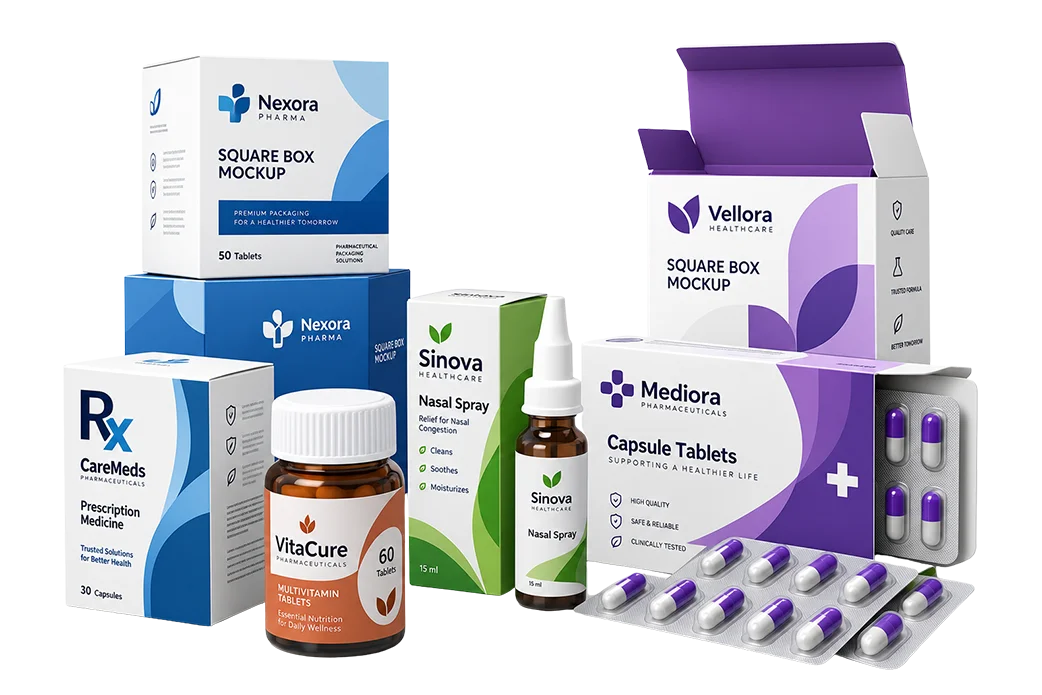
Pharmaceutical packaging involves the use of various materials. They protect, store, and safely deliver medicines to customers and patients. They are commonly organized into 3 levels of packaging: primary, secondary, and tertiary packaging. Each of them has different protection features, handling, and identification of drug products.
Various pharmaceutical brands customize them with detailed information (like dosage instructions, ingredients, expiration date, etc.) and display it with vibrant and clear typography. Customers stay informed and updated about the medicine, which leads to customer loyalty to the brand.
What Are the Different Levels of Pharmaceutical Packaging?
You can find three main levels based on how closely the medicine needs to be safely packaged for long storage and transit trips. Go through them to understand them better:
Primary Packaging
This is the first layer that comes in direct contact with the medication. It holds the products, prevents any leakage, and keeps them safe from moisture, light, oxygen, and bacteria.
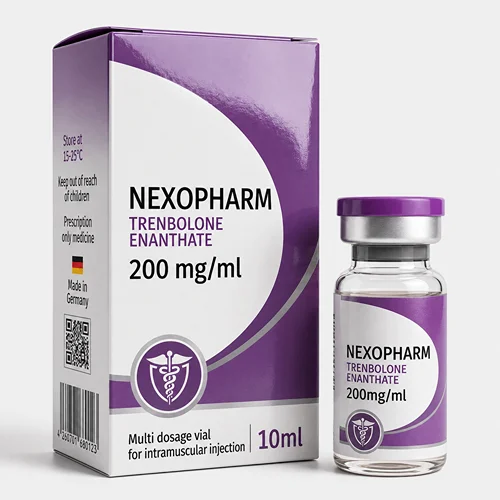
Examples: blister packs, product boxes, bottles, ampoules, tubes, syringes, mylar bags, and sachets
Secondary Packaging
It wraps around the primary layer that provides important information such as dosage instructions, warnings, batch details, etc.
Examples: paperboard folding cartons and paper & shrink wraps
Tertiary Packaging
The outer layer is for bulk handling, safe transport, and storage purposes. Your medical products will travel safely over long distances with efficient inventory management.
Examples: shipping boxes, barrels, pallets, stretch wraps, and drums.
What Are the Core FDA Packaging Requirements for Pharmaceuticals?
This packaging should follow FDA regulations and guidelines for the sake of customers’ safety and security.
Barrier & Protection Properties
It protects the drugs from moisture, oxygen, light, and contamination, which also increases their shelf life. They should have verified barrier resistance against light, oxygen, moisture, dust, and even bacteria. There are different material options for tablets, capsules, liquids, and cream products.
Packaging Structure and Locking Mechanism
A strong structural design avoids medicines from getting crushed, punctured, or damaged during transit or storage. Brands should use secure locking mechanisms (tuck-end flaps, auto-lock bottoms, and child-resistant closures) to keep the package sealed. So that it will not have any leaks or accidental opening.
Tamper-Evident & Child-Proof Features
OTC retail drugs should have a distinctive barrier or indicator (under 21 CFR 211.132). There are clear markers that will show if the package was opened or not. This helps ensure no children access the bottles or box of pills.
Labeling and Traceability
According to DSCSA, the package must have an electronic tracking identifier. The package should display the product’s serial number, lot number, QR code, and barcode. There must be clear dosage instructions, product name, expiration date, and other information.
Material Compatibility and Selection
The materials must not react with, absorb, or leach chemical substances into the drug formulation. You can select FDA-grade plastics, foil, coatings, and paperboard to maintain the product’s integrity.
Temperature-Controlled Pharmaceutical Packaging
Temperature-controlled packaging maintains a stable 35.6°F-77°F (2°C-25°C). They protect heat-sensitive medicines, vaccines, and specialty drugs from degradation for over 120+ hours.
Why Does Custom Pharmaceutical Packaging Matter?
When it comes to medicines, protective packaging is everything. Sensitive drugs need to be put in special materials to protect them against adverse changes from the outside world. There are other benefits it holds, such as
-
Protection from environmental factors (oxygen, light, moisture, microbes)
-
Tamper- and child-resistant seals prevent accidental ingestion (Poison Prevention Packaging Act)
-
Custom packaging inserts secure the product and maintain usability and shelf life
-
Clear regulatory compliance and serialization with QR codes and labels
Pharmaceutical Packaging Materials and Sustainable Options
We understand the safety and specific guidelines of how important it is to package medicines. Our custom pharmaceutical and medicine boxes come in primary, secondary, and tertiary packaging materials. The material that comes in direct contact with the product should keep the product stable and contamination-free. You can choose PVC, aluminum foil, plastic, clear glass, and Mylar bags.
As for secondary packaging, they are used for shipping protection with no environmental waste. Natural Kraft (18 pt-22 pt) is a 100% biodegradable material that is found in brown and white colors. With inner fluted layers, the corrugated cardboard (1/16") is made for heavy and fragile medical items. SBS paperboard (16 pt-24 pt) provides a smooth surface for high-quality printing to showcase details better.
Custom Pharmaceutical Packaging Sizes and Formats
The size can vary on multiple factors, such as product type, dosage, quantity, and protection requirements. You can choose different kinds of pharma packaging types or go custom with My Box Printing. We offer jars, bottles, pouches, and boxes in your desired dimensions and even shapes and other customizations.
Secure & Appealing Box Styles for Different Products
Every pharmaceutical product needs a box style that provides secure protection, an appealing presentation, and is easy to handle. We understand that and provide you with your desired packaging needs. We can fit different medical products such as blister packs, bottles, tubes, and vials.
Some of the popular styling options are tuck end (straight/reverse), auto lock bottom, and display boxes. Others include flip-top lids, bottle neck locks, and wallets/sleeves (slide).
Custom Pharmaceutical Printing and Branding Options
Our packaging follows strict printing of information with regulatory standards (such as FDA or EU norms). They should be readable so that customers can read them clearly. It is recommended to use a font size (6 pt-8 pt) for maximum legibility and chemical-resistant & weather-proof inks to write the desired information:
Product name, strength, batch no., MFG/EXP dates, dosage, warnings, directions, barcodes, and ingredient panels
Premium Pharma Branding with Advanced Printing Techniques
You should use offset, digital, screen, flexographic, and UV printing techniques to print your boxes. The goal is to produce a box with branded artwork, details, and a fine tagline. With our CMYK and PMS color schemes, the important details, such as dosage instructions, ingredients, barcodes, and warnings, will be cleanly visible.
Finishes and Coatings for Pharmaceutical Packaging
Within the world of busy retail aisles, your packaging needs to turn heads. Use our unique finishes. You can use them as a marketing and sensory tool to showcase your packaging. We offer foil stamping, holographic coating, embossing, debossing, spot, matte, gloss, soft-touch, and aqueous coatings.
Pharmaceutical Packaging Labels and Labeling Options
Brands need to ensure that the medications are safe for customers to use. Which is why it is ideal to include accurate and informational labeling on them:
-
Prescription & Dispensing Labels: These are patient-specific labels that are applied to medicine bottles, boxes, and vials with usage instructions and patient details.
-
Warning Stickers: The package is color-coded with different labels that showcase important safety information such as “May Cause Drowsiness,” “Keep Refrigerated," and more.
-
OTC Labels: Such labels are used for nonprescription medications that display the brand name, active ingredients, and usage directions.
-
Laboratory Labels: Brands label medical samples, blood bags, test tubes, etc., when secure adhesion is required for them.
Industries That Need Personalized Pharmaceutical & Medical Packaging Solutions
These are the companies and brands that need such packaging to ensure they have the right law-compliant boxes or pouch packaging.
Why Choose My Box Printing for Pharmaceutical Packaging?
At My Box Printing, we are trusted by 500+ businesses for our custom packaging services. We provide them with the exact pharma packaging they need to stay within FDA and USP regulations. We can offer the following key features:
-
We offer affordable prices across the USA.
-
You can get exclusive discounts on bulk orders.
-
Materials are FDA-compliant and 100% sustainable.
-
Customize the package however you want.
-
Fast turnaround time and delivery within 4 to 6 days.
Wholesale Pharmaceutical Packaging Orders
If you are in the pharmaceutical, dermaceutical, or nutraceutical industry, order large quantities of custom packaging. We offer high-level customized packaging with barrier protection and presentation. To elevate your brand in minimum time, get a custom quote today.