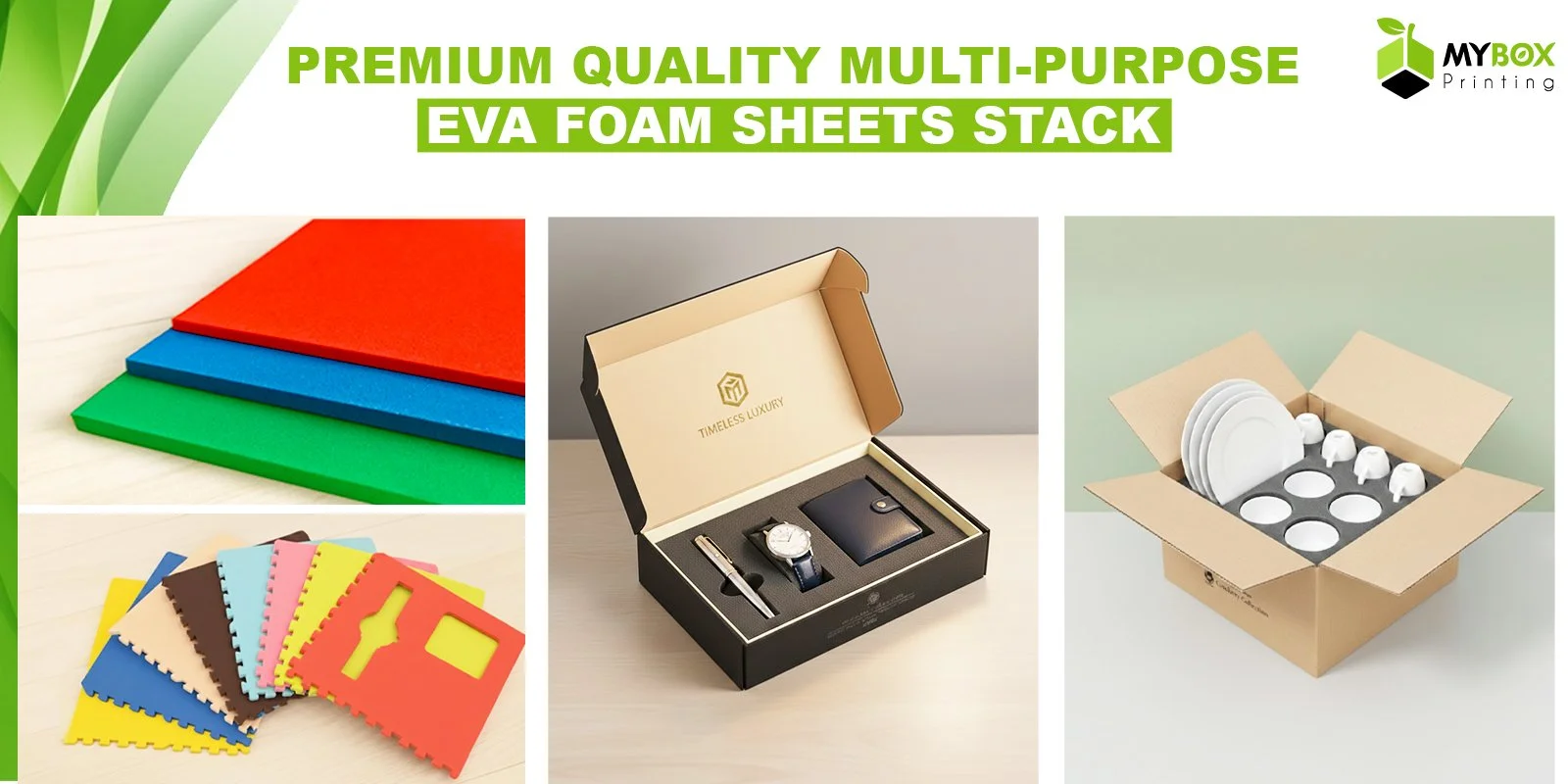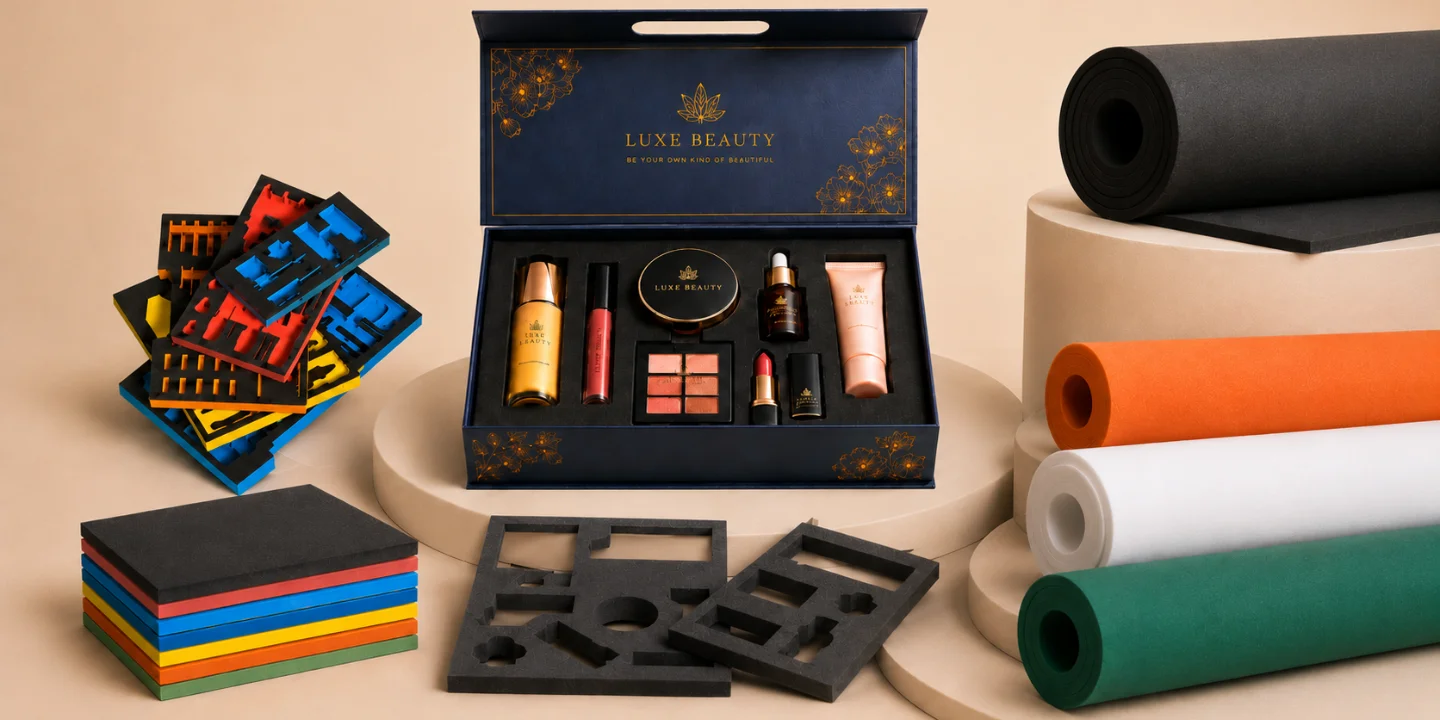
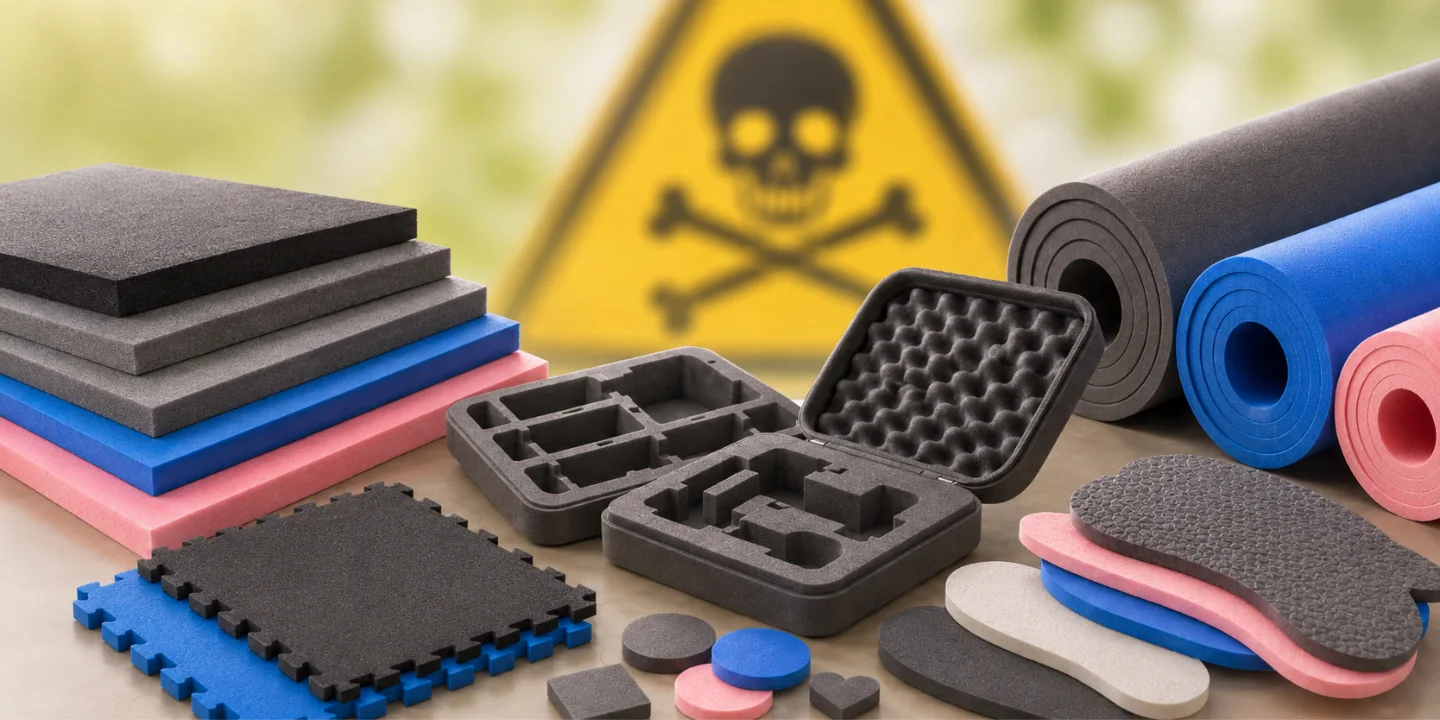
EVA foam is a special material that is used as an insert in the packaging industry. Its protective nature and visual appeal make it a top choice for product safety and a pleasant unboxing appearance. But when it comes to buying it, several businesses have concerns about whether EVA foam is toxic or not.
The short answer is no. But the safety of EVA foam completely depends on the manufacturer's process and quality standards followed.
In this blog, we’ll dive into the composition of this foam and the concerns about its toxicity. You’ll get a complete answer if EVA foam is safe for product packaging, then which industry should use it and which one should avoid it. In the end, you’ll also discover how to choose the right insert manufacturer. Let’s get into the details.
What Is EVA Foam Made Of? Chemical Composition
EVA foam is made of ethylene vinyl acetate, which is generally considered safe when manufactured with quality standards. The percentage of this chemical in the foam affects its softness. This material has a closed-cell structure, which makes it resistant to moisture, temperature, shock, and vibrations.
The final foam is made by the combination of stabilizers, color pigment, foam agent, and other additives. The great news about EVA foam is that it is free from chemicals like formaldehyde and latex. It is BPA-free as well.
However, published research suggests the presence of volatile organic compounds (VOCs). This points towards the potential concerns related to toxicity. But these compounds gradually evaporate after production, so there is no major concern. We have also provided detailed information about what EVA foam is
Concerns Related To EVA Foam Toxicity
There are some factors involved in the production of EVA foam, which lead to concerns related to its toxicity. Here are some of the things to keep in consideration:
VOC Emissions and Off Gassing
The freshly manufactured EVA foam releases the chemicals that are known as volatile organic compounds. These compounds produce a slight odor that feels unpleasant to humans and even pets. If these gases are inhaled, they can potentially lead to respiratory problems.
But it is relieving to know these gases are released immediately and do not stay for long. This means that if companies properly diffuse the compounds, then the final product can be generally safe for use.
Low Quality Additive Usage
Some companies use additives that are not certified as safe. When the residue of such a chemical is left out after the manufacturing process, it can be problematic.
One of the chemicals used is formamide, which is unsafe for humans as well as animals. This additive is not a necessary part of the EVA foam manufacturing, but is linked to poor manufacturing practices.
Toxic Fumes From Burning Or Extreme Heat
The EVA foam can release harmful chemicals if it is exposed to much higher temperatures. We are not talking about high temperatures, but the burning level of heat. The decomposition process can lead to the release of acetic acid and other chemicals. However, under room temperature and even temperatures as high as 50 °C or more, the EVA foam stays safe.
Is EVA Foam Toxic For Packaging?
Now let’s move to the main question. Is EVA foam toxic? Well, the answer is no. When it is used as a packaging insert, it is generally safe for use. But the safety concerns depend on quality manufacturing standards.
If VOCs are properly diffused, the use of formamide is limited, and the foam is not exposed to high heat, then it is safe for packaging.
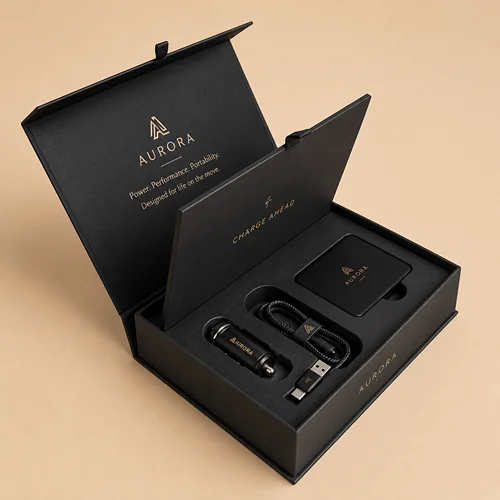
For most of the products, this foam is a safe and good choice to be used as an insert for safety and protection. However, when it comes to the food industry, the usage can be quite tricky. Also, for children under the age of 3, it's advised not to use EVA inserts.
Safety Concerns Of EVA Related To Different Industries
As mentioned before, EVA foam is considered safe for a wide range of industries such as electronics, aerospace, jewelry, cosmetics, and gift packaging. However, certain chemicals may leach from EVA into products. These chemicals are not harmful, but if ingested, they can prove to be a problem. That is why it is generally not recommended for food products.
In order to use EVA foam for the food industry, you need to meet strict quality standards. First, it needs to be approved by the FDA. The foam should be free from harmful plastiziers, additives, and other contaminants. Also, direct contact with the food products should be avoided.
The use of EVA foam for the food industry is uncommon. It is a better option to choose another inset option instead of this insert.
Comparison Of EVA Foam With Other Inserts
Many inserts are used for packaging. Although inserts like polyurethane foam and polystyrene foam offer great features, the EVA foam insert stands out above all. Here is the comparison table that lets you discover its importance.
| Foam Types Comparison | |||
|---|---|---|---|
| Feature | EVA Foam | Polyurethane Foam | Polystyrene Foam |
| Shock Absorption | Excellent | Good | Moderate |
| Water Resistance | High | Moderate | High |
| Flexibility | Excellent | Moderate | Low |
| Durability | High | Moderate | Low |
| Reusability | High | Moderate | Low |
| Odor Levels | Low | Moderate | Low |
| Customization | Excellent | Good | Limited |
As this foam is highly durable, you can’t let misconceptions about its toxicity repel you from its purchase. The EVA foam inserts are completely safe and effective when used for packaging.
How To Choose The Safe EVA Foam Inserts
If you care about the safety of your foam insert, here are a few tips to find the right EVA foam manufacturer:
+ Avoid the ones with low prices. The low-priced foam is most likely to contain toxic chemicals that prove to be hazardous later on.
+ If you have to choose the manufacturer, inquire about the safety certification and material testing reports. Also, look for Low VOC, REACH, and RoHS compliance.
+ In addition to that, choose the manufacturer that has solid experience in the packaging field. The unverified startup companies may not produce quality foam, but major companies know what they are dealing with.
One of the trusted manufacturers for safe EVA foam inserts is MyBoxPrinting. We have been in the industry for 25 years. We hold the relevant certification and follow quality standards for the manufacture of such foam. You can put your trust in us to provide foam that keeps your customers safe and secure.
Frequently Asked Questions
Is EVA foam safe for humans?
Yes, if the EVA foam is manufactured to quality standards, then it is generally regarded as safe for humans. Just make sure not to ingest the product.
Is EVA foam recyclable?
There have been some models proposed regarding the recycling of EVA foam. However, the rules are strict to follow and impractical in the real world. The research is still ongoing to make the recycling of EVA foam more accessible to the public.
Does EVA foam contain BPA?
No, that is why it is considered safe. It is not just BPA-free but also latex and formaldehyde.
Is EVA foam safe for pets?
Yes, it is safe, but if ingested can prove to be a problem. It is advised to keep the EVA foam out of reach of your pet, so they do not chew on it.
Is the foam safe for children?
Although the EVA foam is safe, there have been concerns about its toxicity in children, but only when used in mats. It is advised to keep the EVA foam completely out of reach of children under the age of 3, as they may accidentally ingest it.
Final Thoughts
EVA foam is a popular insert in the packaging field, but there are some concerns regarding its toxicity. It is much safer for humans when used as an insert. All that matters is that manufacturers follow the right production process with proper quality standards. If you are wondering where to buy EVA foam, then MyBoxPrinting is a top choice. We follow proper standards for foam production and provide inserts that are safe for humans and the environment.