It was the old days when plastic packaging was preferable, but with development and the new generation, especially Gen Z, plastic packaging is becoming obsolete because of the landfills. It is not just about sustainability; the cost of plastic for packaging is going to be expensive, and rates are rising, which can affect revenue.
Now, consumers are well educated and well informed about the environmental impact of different materials. If you think you can write something better on your product packaging in terms of the environment, believe it. Then stop thinking like this; now this business technique does not work. You have to shift towards materials made of paperboard, glass, sand, or metals.
Consumers are now demanding it, and the government has banned the use of single-use plastic in many places. Companies that fail to change voluntarily will be compelled to do so by law.
In this guide, we will learn about the most effective plastic-free packaging materials, their advantages, applications in the industry, trends, and how to make the shift to them. Let's deep dive in!
What Are Plastic-Free Packaging Solutions?
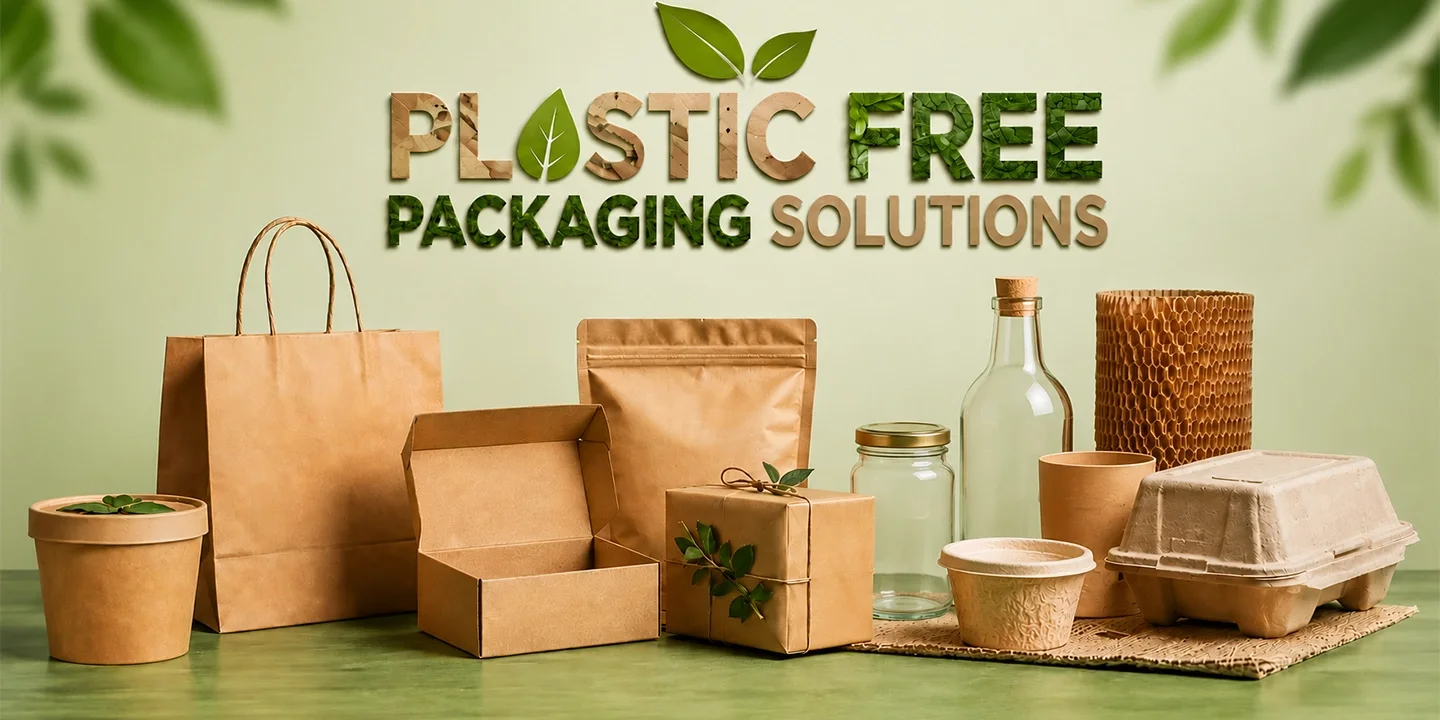
Packaging without plastic can be described as a shift from conventional plastic packaging, which comprises films, pouches, containers, and wraps. Businesses start considering options that won't persist in the landfill for many years to come.
Recycled paper is a good substitute in many industries, along with kraft paper, corrugated cardboard, plant-based fibers, and paperboard. There are also some brands opting for biodegradable or compostable materials that will completely decompose after use. Mahroom, glass, and metal also provide the best alternative opportunity to get rid of plastic.
None of these options are new inventions, really. These are just viable solutions since it becomes evident to companies that the cost of plastic is too high in financial and marketing terms.
Why Plastic Packaging Is Becoming A Problem
A few decades ago, plastic was the only wrapping substance used by almost all companies because of its inexpensiveness and strength. However, nowadays the negative impact of plastics on our environment is impossible to ignore.
Each year, millions of tonnes of plastic waste go into landfills. Moreover, some types of plastic require hundreds of years to degrade fully and cause negative consequences for our planet. The main concerns connected with the use of plastic wrappings are marine pollution, the use of fossil fuels, harm to wildlife, and carbon emissions. Nowadays, consumers care about the environment and want products from companies that reduce the use of plastic wrapping.
Benefits Of Plastic Alternative Packaging Solutions
Below are some benefits of using plastic-free packaging solutions. They are written below precisely:
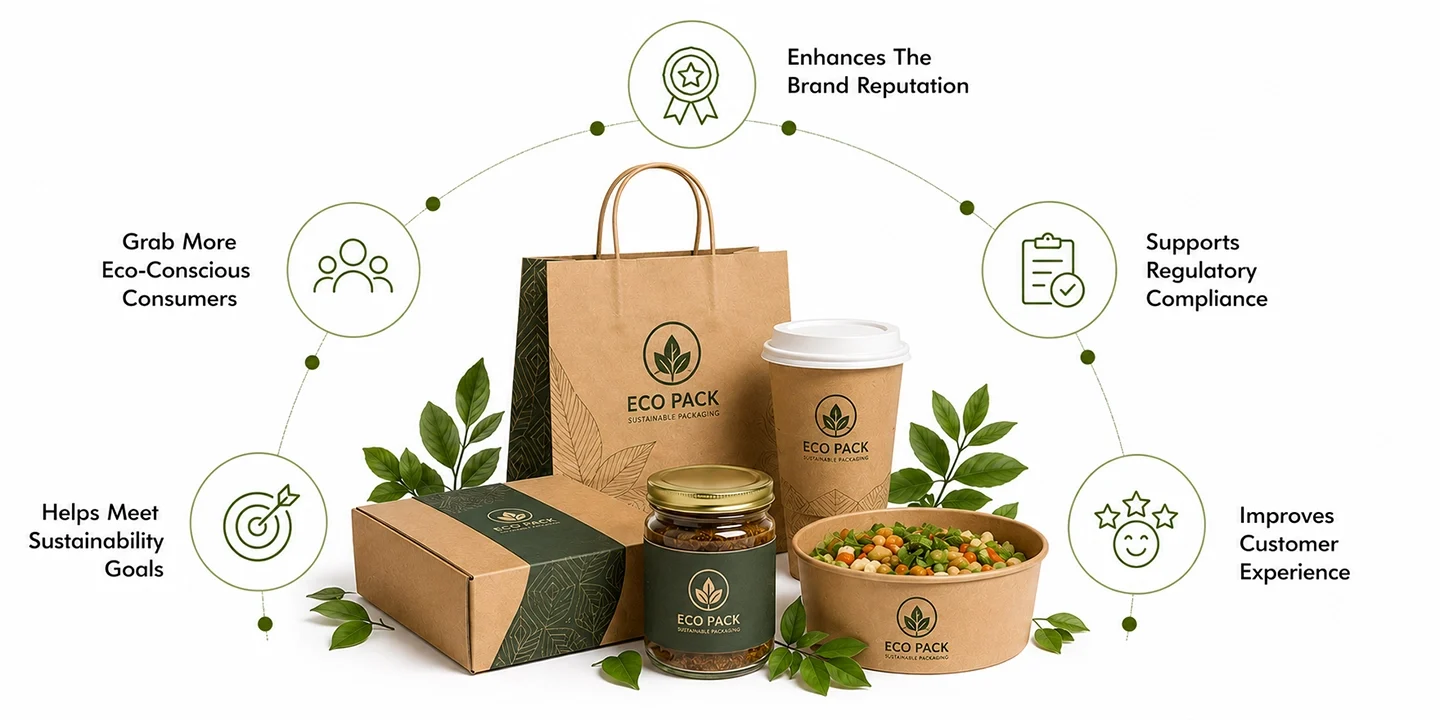
Enhances The Brand Reputation
Advanced and modern buyers appreciate the manufacturing companies that care about the safety of the planet rather than just covering the items. Using greener packaging shows eco-conscious customers that your company really cares about the environment more than just profits. In this way, brands are helping to decrease waste and protect natural resources.
Grab More Eco-Conscious Consumers
Recent research regularly proves that consumers 100% agree to help those brands that are environmentally friendly. Plastic-free packaging can become a key selling point that influences buying decisions.
Helps Meet Sustainability Goals
Many businesses now have corporate sustainability targets. Turning to eco-friendly packaging that helps companies minimize waste, improve ESG initiatives, and meet environmental commitments.
Supports Regulatory Compliance
Governments worldwide are introducing regulations aimed at reducing single-use plastics. By adopting greener solutions from the beginning, businesses can stay ahead of future regulations and avoid costly adjustments later.
Improves Customer Experience
Eco-friendly packaging normally creates a premium unboxing experience. Well-designed paper-based packaging communicates quality and environmental responsibility.
Best Plastic-Free Packaging Solutions For Modern Brands
The global plastic packaging market size is projected to reach over $584 billion by 2032, but less than 9% of plastic actually gets recycled. Many countries and states within the US are now passing Extended Producer Responsibility (EPR) legislation or plastic bans, pushing brands to act and act quickly.
Selecting the right packaging brands totally relies on your items, transportation needs, and sustainability goals. Below are some of the most effective options available today.
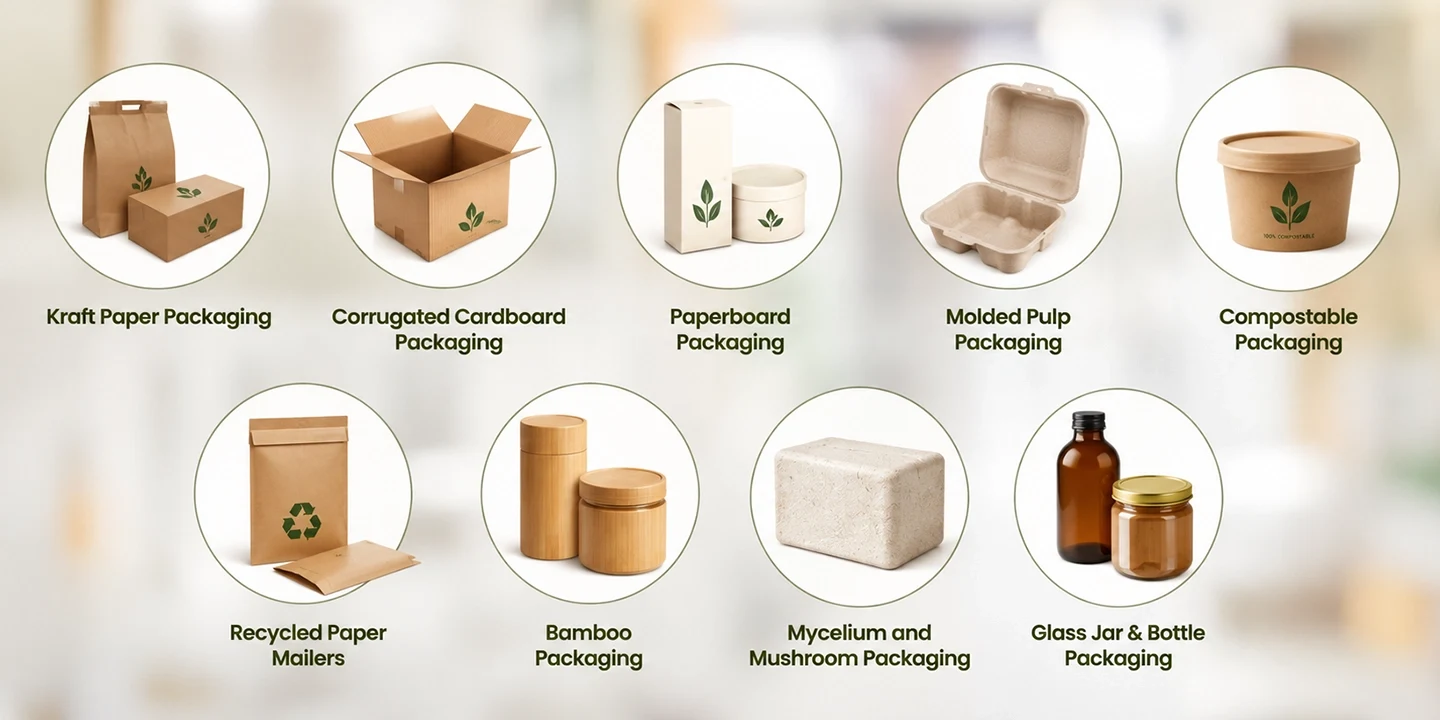
Kraft Paper Packaging
Kraft paper is one of the most famous environmentally friendly covering materials. It is a recyclable and lightweight material that can be easily used for any product packaging.
-
Best Used For: Retail shopping bags, void fill, custom box wraps, and light product wrapping.
Corrugated Cardboard Packaging
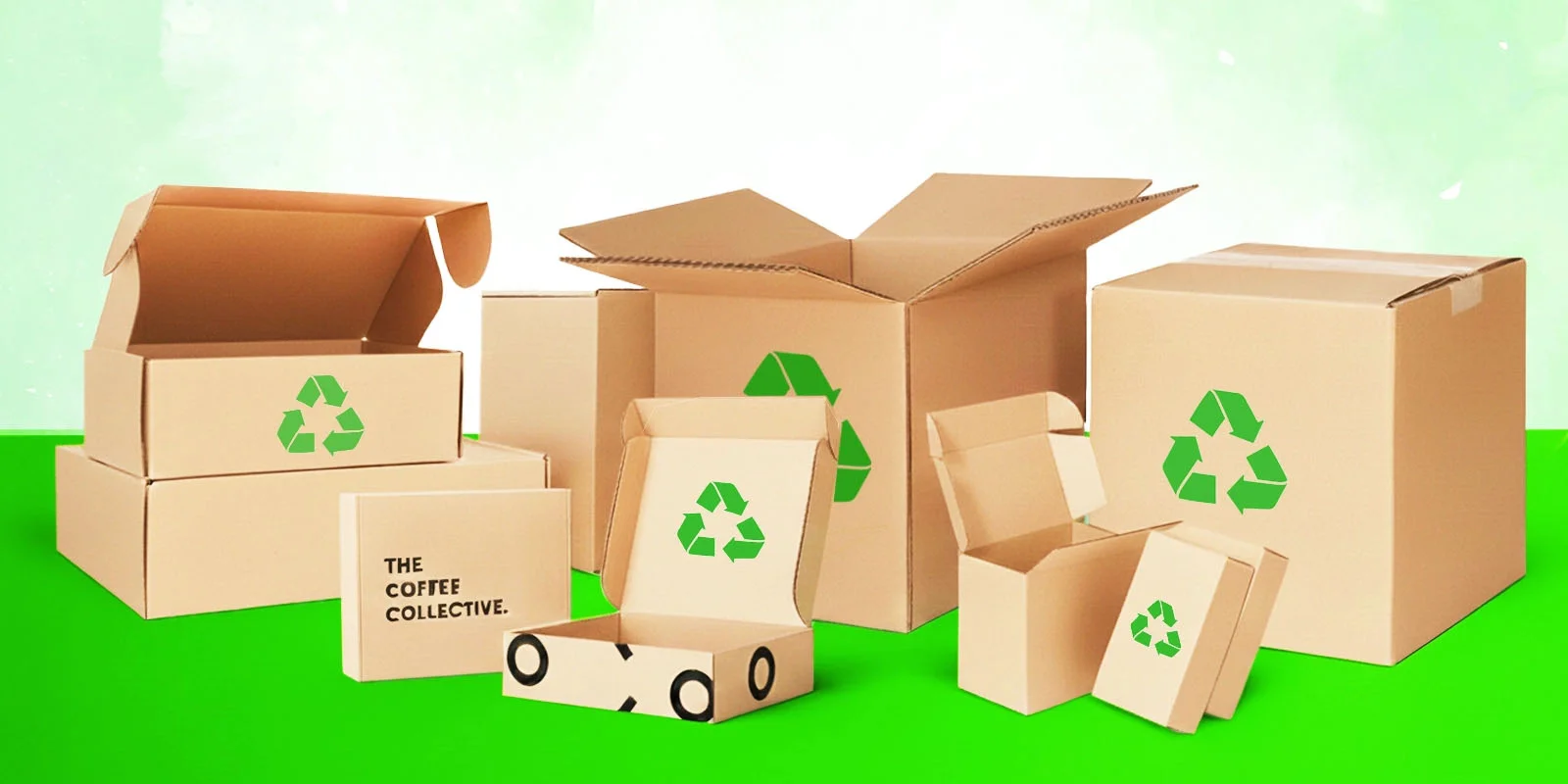
Corrugated cardboard remains one of the most versatile custom packaging solutions. This material is normally used for the packaging of shipping and e-commerce.
-
Best Used For: E-commerce shipping boxes, heavy-duty subscription packaging, and master shippers.
Paperboard Packaging
Paperboard gives a sustainable and lightweight alternative to plastic containers. The soft and smooth surface gives luxurious printing and marketing.
-
Best Used For: Cosmetic cartons, retail folding boxes, apparel boxes, and pharmaceutical packaging.
Molded Pulp Packaging
Molded pulp is made from recycled paper materials. It will give your product excellent cushioning while remaining environmentally friendly. Many brands now replace foam inserts with molded pulp alternatives.
-
Best Used For: Electronics inserts, candle holders, wine bottle shippers, and cosmetic tray dividers.
Compostable Packaging
Compostable materials naturally break down into organic matter under proper composting conditions. These materials help to reduce landfill waste.
-
Best Used For: Food service containers, flexible liners, and specialty product pouches.
Recycled Paper Mailers
E-commerce businesses increasingly use paper mailers instead of plastic poly bags. Paper mailers work especially well for apparel, accessories, and lightweight products.
-
Best Used For: Apparel, soft goods, books, accessories, and flat lightweight shipments.
Bamboo Packaging
Bamboo is a fast-growing renewable resource used to make jars, caps, and compacts. It’s biodegradable, durable, and adds a natural aesthetic. That is ideal for brands prioritizing both sustainability and premium design.
-
Best Used For: Luxury beauty jars, compact lids, wellness boxes, and premium consumer goods.
-
Note: Requires proper seal treatments if exposed to high-moisture environments during long-distance overseas freight.
Mycelium and Mushroom Packaging
Mycelium, the root structure of fungi, is a biodegradable packaging option that can be grown into molds and used as a cushion or container. It’s an alternative to Styrofoam and can be composted at home. While still emerging, many brands have piloted mycelium packaging for shipping. And more CPG brands are exploring this option for secondary packaging.
- Best Used For: Heavy machinery inserts, high-end electronics, and fragile home goods.
Glass Jar & Bottle Packaging
Glass jar and bottle packaging refers to custom packaging designed to protect, store, transport, and display glass jars and bottles. It minimizes the risk of breakage while enhancing product presentation and branding.
-
Best Used For: Gourmet food products, essential oils, beverages, candles, and skincare serums.
Industries Benefiting From Plastic-Free Packaging Solutions
There are different industries that are benefiting from plastic-free packaging solutions. Some of them are written below:
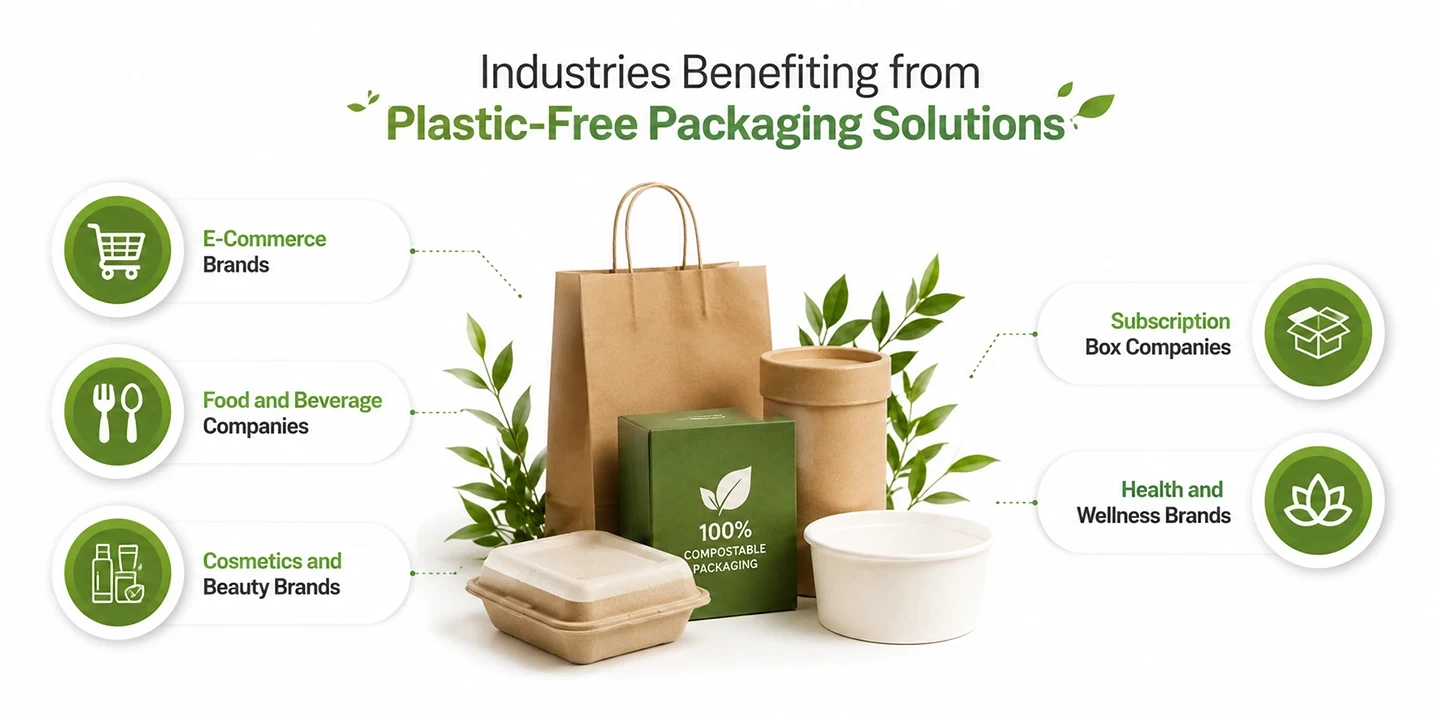
E-Commerce Brands
Online retailers use sustainable mailers and corrugated boxes to reduce waste and improve the brand reputation in the perception of customers. Eco-conscious shoppers often favor brands that minimize plastic packaging.
Food and Beverage Companies
Restaurants, bakeries, coffee brands, and food delivery services are highly using paper-based packaging. These alternatives maintain the quality of the product while supporting greener goals.
Cosmetics and Beauty Brands
Beauty brands commonly use paperboard cartons and molded pulp inserts to reduce plastic while protecting delicate cosmetic products.
Subscription Box Companies
Subscription businesses rely heavily on packaging to give memorable unboxing experiences. Plastic-free materials support premium branding while reducing environmental impact.
Health and Wellness Brands
Supplement companies and wellness businesses commonly select sustainable packaging to align with their natural and healthy brand image.
How Plastic-Free Packaging Improves Branding & Sales
Many businesses overlook the marketing advantages of sustainable packaging. It gives multiple opportunities to generate social media engagement. It also increases the customer experience and strengthens sustainability messaging.
Consumers normally share eco-friendly purchases online, providing additional exposure for environmentally responsible brands. Sustainability-focused packaging also helps to generate more sales strategies by targeting eco-conscious and planet-friendly brands and customers.
Common Challenges Of Plastic-Free Packaging
While greener packaging gives many more benefits. So, businesses should understand potential challenges.
Higher Initial Costs
Some eco-friendly materials may cost more in advance than conventional plastics. However, it also helps to increase customer loyalty, which often offsets these expenses.
Supplier Selection
Looking for reliable, sustainable packaging suppliers may require more research and testing. Quality consistency is very important.
Product Compatibility
Some items require special packaging solutions to make sure that they are protected on the retail shelf. Businesses should carefully examine the performance of the material before transitioning.
Future Trends In Custom Packaging Solutions
The greener wrapping industries continue to transform immediately. Due to the various trends that are shaping the future:
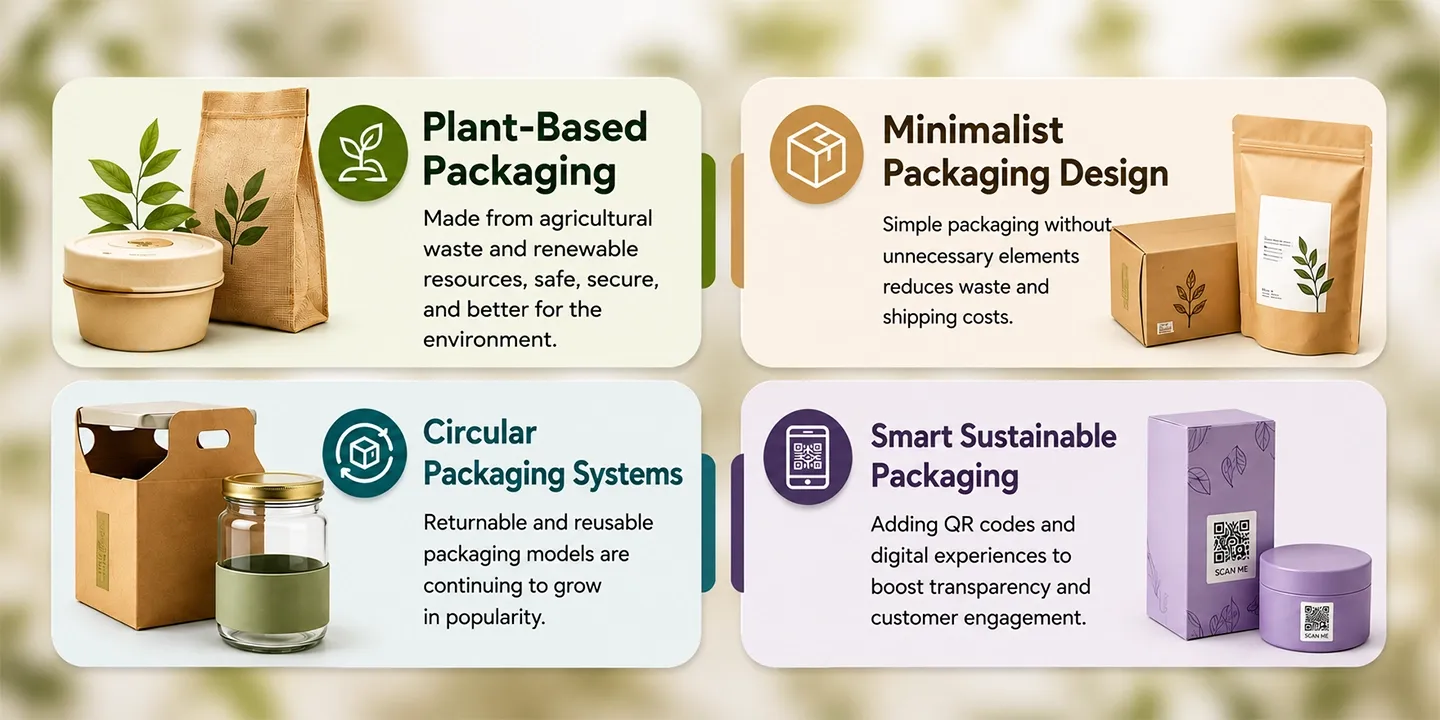
Plant-Based Packaging
Packaging made from agricultural waste and renewable resources is becoming increasingly popular because they are safe and secure for the environment.
Minimalist Packaging Design
Brands that keep their packaging simple without unnecessary design components to lower waste and shipping costs are more preferred.
Circular Packaging Systems
The returnable and reusable packaging models continue to gain traction.
Smart Sustainable Packaging
Most of the greener packaging companies are adding scannable QR codes and digital experiences into packaging to increase customer engagement.
How To Transition To Plastic-Free Packaging
Shifting to sustainable packaging does not mean that you have to change it overnight and make decisions within seconds.
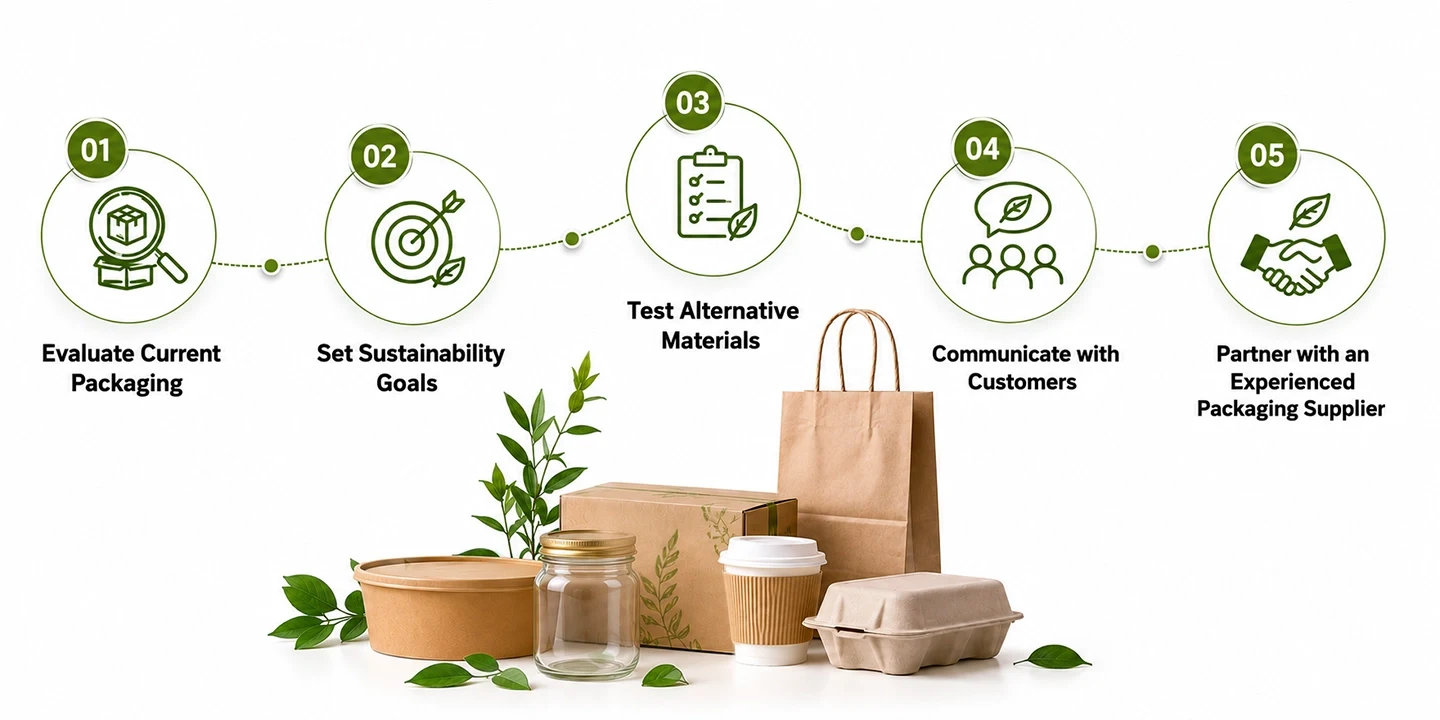
Step 1:
-
Evaluate Current Packaging: Analyze very carefully the areas where plastic can be reduced or eliminated.
Step 2:
-
Set Sustainability Goals: You must have to define measurable objectives, such as reducing plastic usage by a specific percentage.
Step 3:
-
Test Alternative Materials: Carefully check out the performance testing before implementing large-scale changes.
Step 4:
-
Communicate with Customers: It is very important to raise awareness among your buyers about your sustainability efforts through your packaging styles and marketing materials.
Step 5:
-
Partner with an Experienced Packaging Supplier: Working with a knowledgeable and eco-friendly packaging provider ensures there is a smooth transition and consistent quality.
Sustainable Custom Packaging with My Box Printing
Looking to reduce plastic waste without sacrificing product presentation? My Box Printing offers customizable, eco-friendly packaging solutions designed to help brands improve sustainability while enhancing customer experience.
From recyclable shipping boxes to premium paperboard packaging, our team helps businesses create custom packaging that protects products and strengthens brand identity. To elevate your brands and attract Gen Z and eco-conscious customers, always choose the circular packaging solutions that are reusable, recyclable, renewable, and recoverable.
Frequently Asked Questions About Plastic Free Packaging Solutions
Is plastic-free packaging really environmentally friendly?
Yes. Most plastic-free packaging materials are recyclable, biodegradable, compostable, or made from renewable resources, significantly reducing environmental impact compared to conventional plastics.
What is the best alternative to plastic packaging?
The best alternative depends on the product. Popular options include kraft paper, corrugated cardboard, molded pulp, paperboard, and compostable materials.
Is plastic-free packaging more expensive?
Initially, some sustainable materials may cost more. However, growing demand and manufacturing improvements continue reducing costs while increasing accessibility.
Can plastic-free packaging protect products during shipping?
Absolutely. Modern sustainable packaging materials provide excellent durability and protection when properly designed.
What industries benefit most from plastic-free packaging?
E-commerce, cosmetics, food and beverage, subscription boxes, retail, and wellness brands commonly benefit from sustainable packaging solutions.
How does plastic-free packaging influence customer purchasing decisions?
Many consumers actively prefer environmentally responsible brands. Sustainable packaging can improve trust, increase perceived value, and encourage repeat purchases.
Is kraft paper packaging recyclable?
Yes. Kraft paper is widely recyclable, biodegradable, and one of the most commonly used sustainable packaging materials.
Can custom packaging be plastic-free?
Yes. Businesses can fully customize paperboard, corrugated, kraft, and molded pulp packaging while maintaining eco-friendly standards.
What are compostable packaging materials?
Compostable packaging materials naturally break down into nutrient-rich organic matter under proper composting conditions without leaving harmful residues.
How can businesses start transitioning away from plastic packaging?
Businesses should evaluate current packaging, identify reduction opportunities, test sustainable alternatives, and partner with experienced packaging providers to implement changes effectively.
Final Thoughts
Plastic-free packaging is becoming a necessity for businesses rather than just a normal trend. Companies that adopt renewable materials today are better prepared for changing regulations and growing buyers' expectations.
Why is it important to choose the right packaging partner? The right packaging partner makes the transition easier while helping brands reduce waste without compromising on the quality of the product. For brands ready to embrace sustainable, eco-friendly packaging, partnering with a truly effective one is more profitable. In the USA, one of the trustworthy packaging providers, like My Box Printing, can make the transition easier and affordable.