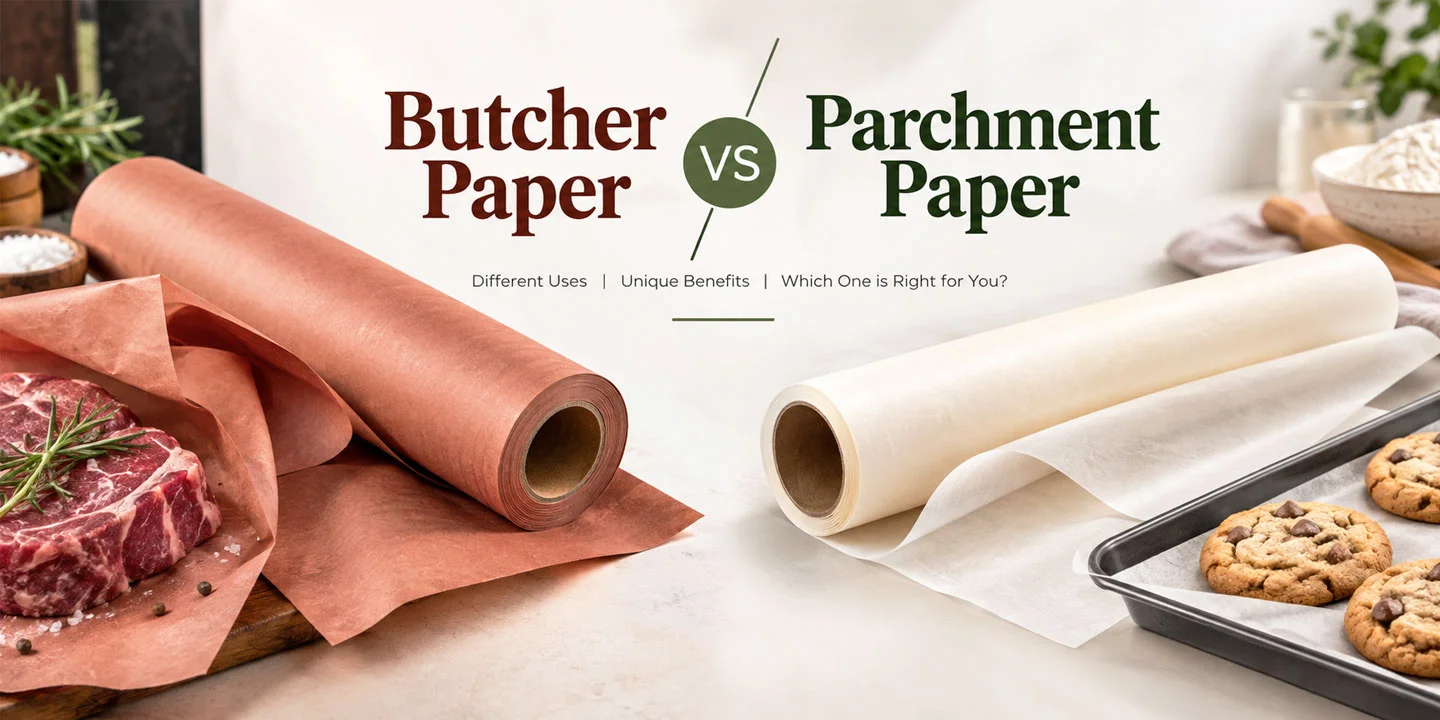
What type of custom food papers do you choose when it is time to cook, bake, or package something? Butcher paper or parchment paper? Brands usually get them confused, as they share some similar properties. But they are not interchangeable, from the type of coating they have to what purpose you use them for.
Butcher paper is an uncoated & breathable wrapping paper that is used for wrapping meat and smoking purposes. As for parchment paper, it is designed as a non-stick and grease-resistant material, which is best for baking and cooking. Some of the noticeable differences between them are the coating and breathability. Heat resistance and stickiness are also included.
This guide will help you understand whether butcher paper is the same as parchment paper or not as we learn about their differences. You will go through how each of them works and where they are mostly used. So read till the end to figure it out.
What Is Butcher Paper Used For?
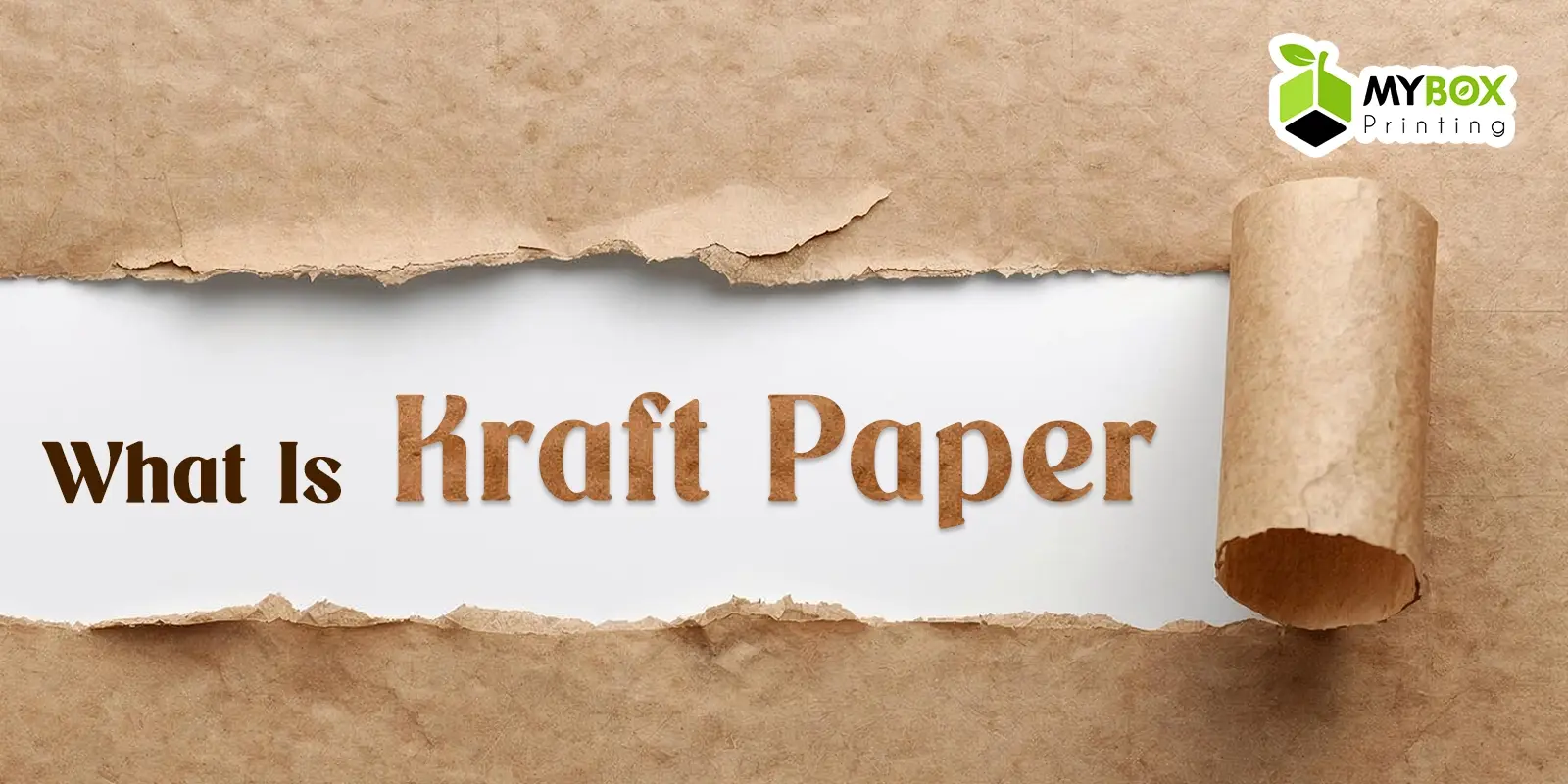
Butcher paper is a porous, breathable, and uncoated (Kraft) paper that is made from natural wood pulp. This paper is designed to wrap around fresh meat and fish and also for cooking purposes. You can even cover seafood, cheese, and poultry for protection and preservation purposes. Its breathable structure allows moisture and smoke vapor to pass through while helping protect the food during wrapping and smoking.
-
The paper does not include any harmful chemicals such as BPA and chlorine.
-
It is used in delis, restaurants, grocery stores, flower shops, and retail packaging.
-
You can cook meats at up to temperatures of 300°F (~149°C).
The Manufacturing Process
The butcher paper goes through the Kraft process. Small raw wood chips (taken from softwood trees such as pine or spruce) are cut. The paper is treated with sodium hydroxide (NaOH) and sodium sulfide (Na2S).
This separates the cellulose fibers from lignin. Polyethylene (PE), sizing agents, and wax coating can also be used. Moving forward, the liquid pulp is formed into sheets, then pressed and dried. You can even choose to coat or bleach it for other functionality.
Different Types of Meat Wrapping Paper
There is a whole variety of butcher paper that you can use for multiple purposes. This table will help you understand which paper suits your cooking, baking, or roasting purposes:
| Types | Appearance | Material | Main Features | Application |
|---|---|---|---|---|
| White Butcher Paper | Clean, white, plain, food-safe look | Kraft pulp (bleached) | Breathable, durable, moisture-absorbing, good for food presentation | Wrapping meat, deli items, fish, bakery packaging, and presentation |
| Peach/Pink Butcher Paper | Light pink or peach-colored | Kraft paper, often uncoated | Breathable, strong, and helps retain moisture during smoking | Barbecue, smoking brisket, meat wrapping, and food service |
| Coated Butcher Paper | Smooth surface with a protective layer | Kraft paper with a light coating | More moisture-resistant, less absorbent, stronger barrier | Wrapping greasy foods, meat storage, and sausage & cheese packaging |
| Uncoated Butcher Paper | Natural matte finish | Plain kraft pulp | Highly breathable, absorbent, strong, food-safe | Smoking meat, wrapping fresh produce, deli use |
| Black Butcher Paper | Dark black, modern, and premium look | Kraft paper with black pigment | Durable, often used for branding and presentation | Premium food packaging, retail wrapping, display, and gifting |
| Brown Kraft Butcher Paper | Natural brown, rustic look | Unbleached kraft pulp | Strong, eco-friendly, breathable, simple, and versatile | Meat wrapping, craft use, packaging, and rustic food presentation |
| Wax-Coated Butcher Paper | Slightly glossy or waxy finish | Kraft paper with wax coating | Moisture-resistant, grease-resistant, stronger barrier | Wrapping wet or greasy foods, deli items, and short-term storage |
What Are the Benefits of Butcher Wrapping Paper?
Different brands, such as food-serving and meat businesses, can utilize this paper for multiple situations. They are designed for BBQ and cooking as well as for packaging and preparation use:
-
Breathability allows air and smoke to pass through for flavor & texture
-
Durability wraps around meat without tearing
-
Moisture absorption soaks up extra juices and fat from different meats
-
Food preservation: covers the meat for short-term refrigeration and storage
-
Art, craft & wrapping: creative DIY craft, artistic projects, and wrapping food
-
A clean presentation gives a neat and rustic look to the food
-
Eco-friendly: FDA- and FSC-compliant & also 100% nature-friendly and plastic-free
What Materials Make Up Butcher/Meat Paper?
It is made up of raw softwood trees and Kraft pulp. Some of the sizing agents or resins are used to make the paper food-safe. It makes it resistant to blood, grease, and moisture. They are even coated to create different variations (pink, black, brown, etc.) or are wax-coated for extra leak protection.
When to Use Butcher Paper
This paper is used by restaurants, butcher shops, food trucks, and other food businesses for meat wrapping, food-service applications, and selected packaging uses. They are designed to wrap fresh meat, be used as a lining for food trays, and more.
Smoking: BBQ, Brisket & Chicken
The breathable paper helps the meat stay juicy, which also preserves the bark. The pink/peach meat paper is mostly used to cover brisket during the stall phase. With its breathability feature, it lets the steam escape and keeps the bark crispy.
Short-Term Preservation of Raw Meats
If you are a fast-paced backyard BBQ or restaurant that only wants short-term refrigeration for fish or other raw meat, pick this paper. It can keep them fresh for 3 to 7 days, depending on the meat and food type. For long-term freezer storage (for up to 12 months), freezer paper is much better.
Non-Kitchen Use: Craft & Packing
That is not all that this butcher paper can do! Outside the kitchen walls, this custom paper is used for fun gift wrapping and packaging purposes. As for packaging purposes, brands use it as space-filling or as a non-abrasive layer to wrap products.
What Is Parchment Paper Used For?
Parchment paper is coated with silicone, which creates a heat-resistant and non-stick paper. It is greaseproof and has high temperature tolerance. It has a smooth surface that prevents the food from sticking to the paper. It is mostly used as a lining for baking sheets or for preparing sheet pan meals.
-
This paper is used for en papillote, a cooking method that traps steam and helps retain the food's moisture and flavor.
-
Its temperature tolerance is 420°F to 450°F (215°C to 232°C).
-
Used by bakeries, confectioneries, QSRs, and food trucks.
The Manufacturing Process
A waterleaf, which is made from wood pulp or cellulose-based paper, is passed through a bath of sulfuric acid (H2SO4) or zinc chloride (ZnCl2). When the acid absorbs the surface fibers, it creates a dense, gel-like coating.
The sheet is then washed and dried & coated with a thin layer of silicone that gives it resistance to moisture, oil, and oven heat. You can also add bleach or additives for better strength and finish.
Types and Coatings of Parchment Papers
Parchment paper can differ by its paper treatment, appearance, and coating. Bleached and unbleached parchment describe the paper itself, while silicone and other coatings describe additional surface treatments. The table below explains these differences and their common applications.
| Aspect | Bleached Parchment Paper | Unbleached Parchment Paper | Silicone-Coated Parchment Paper | Quilon-Coated Parchment Paper |
|---|---|---|---|---|
| Classification | Paper appearance/treatment | Paper appearance/treatment | Coating type | Coating type |
| Appearance | White and clean-looking | Natural tan or brown | Smooth, slightly glossy | Smooth surface |
| Material / Construction | Cellulose-based parchment with bleached fibers | Cellulose-based parchment with unbleached fibers | Parchment paper with a silicone coating | Parchment paper with a Quilon coating |
| Main Features | Clean appearance, grease-resistant, suitable for food applications | Natural appearance, grease-resistant, suitable for food applications | Non-stick, grease-resistant, moisture-resistant, heat-resistant | Release properties and grease resistance |
| Common Applications | Baking, food presentation, food wrapping | Baking, wrapping, food packaging, and inserts | Cookies, pastries, roasting, sheet-pan meals, packaging inserts | Baking, lining, and food wrapping |
Benefits of Parchment Baking Paper
This paper offers a wide range of uses for deli counters, grab-and-go packaging, and bakery brands. You can use it for a variety of reasons, as they provide such benefits:
-
Non-stick: food does not stick to the paper
-
Heat resistance: can withstand high oven temperatures around 420°F to 450°F
-
Easy Cleanup: keeps trays and pans clean from sticky residue
-
Versatility: best for baking, cooking en papillote, and roasting
-
Food Safe: direct contact with food without any damage to taste or food quality
-
Freezer & Microwave Usage: easy to use for freezing and reheating
-
Certified and eco-friendly, FDA and FSC compliant & also 100% nature-friendly
-
Box & tray liners used inside bakery, pizza, and pastry boxes
What Materials Are Used to Make Wrapping Parchment Paper?
Baking parchment paper is made from plant-based cellulose fibers (gathered from wood pulp such as spruce or eucalyptus). It is treated with sulfuric acid or zinc chloride to create a dense and resistant structure. You can coat it with silicone or quilon for a non-stick finish and more.
When to Use Parchment Paper
You see that this paper is mostly used when companies need a non-stick, protective, and easy-release food paper. Its resistance properties make it suitable for a variety of baking and cooking tasks:
Baking Cookies, Cakes & Pastries
Different companies use the parchment paper to line cookie sheets and baking trays to prevent stickiness. Also, cake pans lined with this paper make it easy to transfer the baked good to a cooling rack.
Roasting Pan Meals and Vegetables
The non-stick surface leaves no residue behind and is best for sheet pan meals, vegetables, and chicken. The nonstick surface makes it easy to release food from the pan when you are baking or roasting.
Cooking En Papillote Meals
You need to fold the paper into a sealed packet around the fish, chicken, or herbs. The packet traps the steam and moisture inside and gently cooks the ingredients. This retains the flavor and aroma.
Key Differences Between Butcher Paper and Parchment Paper
The following table summarizes the main differences between butcher paper and parchment paper.
| Aspects | Butcher Paper | Parchment Paper |
|---|---|---|
| Materials | Kraft paper | Cellulose-based parchment paper (coated or uncoated) |
| Coating | Usually uncoated | Silicone-coated |
| Surface | Slightly rough and matte texture | Smooth and glossy surface |
| Moisture Resistant | Low to moderate | High |
| Grease Resistant | Moderate | High |
| Heat Resistant | Typically up to 300°F | 420 - 450°F |
| Types | Peach/pink butcher paper, white butcher paper, brown kraft butcher paper, black butcher paper | Bleached (white) and unbleached (brown/natural) parchment paper |
| Formats | Rolls, sheets, pre-cut squares | Rolls, pre-cut sheets, pre-cut liners/cups |
| Typical Paper Weight / Basis Weight |
30–35 lb (lightweight) 40 lb (medium) 50 lb+ (heavy-duty) |
25 GSM (lightweight) 35 GSM (standard) 45+ GSM (heavy-duty) |
| Chemicals Used in Manufacturing |
Sodium Hydroxide (NaOH) and Sodium Sulfide (Na₂S) Polyethylene (PE) Sizing agent Wax coating (optional) |
Sulfuric Acid (H₂SO₄) or Zinc Chloride (ZnCl₂) Silicone |
| Non Stick | No | Yes |
| Safe Food Contact | Yes | Yes |
| Use in Oven | Depends on the specific grade | Yes |
| Use in Refrigerator | More suitable for short-term food storage | Less suitable for short-term food storage |
| Strength & Durability | Thick, tear-resistant, and durable for wrapping | Thin but durable enough for cooking and baking |
| Breathability | High | Low |
| Customization | Easily printed, branded, waxed, or converted into custom packaging | Limited printing options because of the non-stick silicone coating |
Can You Substitute Butcher Paper for Parchment Paper?
Generally, no. Butcher paper and parchment paper have different properties and are designed for different applications. Parchment paper is commonly used when non-stick performance and baking heat resistance are required. On the other hand, butcher paper is commonly used when breathability is important, particularly for meat wrapping and smoking.
Because paper specifications vary by product, always check the manufacturer's instructions before using either paper for a specific cooking or packaging application.
How Are Butcher Paper & Parchment Paper Similar?
Despite their differences, they do share some identical features. They are food-safe paper products that are used for cooking, baking, and food preparation. These papers are helpful in culinary tasks and can handle raw or cooked foods.
You can easily clean up the counters, trays, and baskets from grease stains. Both of them are single-use paper sheets or rolls designed for kitchen, crafting, wrapping, and packaging.
Is It Better To Smoke Meat With Butcher Paper Or Parchment Paper?
Use butcher paper for smoking meat and stuff. Its breathable structure allows smoke and moisture vapor to pass through while helping the bark remain intact during smoking.
Parchment paper, on the other hand, has sticky and coated sides that do not allow smoke to move through. So use the butcher/meat wrapping paper for brisket, ribs, and pulled pork during slow and low smoking.
Can Parchment Paper or Butcher Paper Go In The Oven?
Parchment paper can easily withstand the oven heat only up to 450°F. If the heat exceeds this, the paper will burn, which is a potential safety hazard. As for butcher paper, it is not recommended for oven use, but it can withstand 300°F. It can only tolerate smoker heat but not direct heat. Its uncoated surface dries out, thus becoming brittle in the oven heat.
Choosing the Right Paper for Suitable Tasks & Packaging Purposes
It is all about picking the most suitable paper for your product. Whether you are a food service company, retail shop, gift brand, or subscription box company, you need custom papers that can help in various tasks.
My Box Printing offers custom food paper in different sizes, formats, printing options, and material specifications. Depending on the intended application, businesses can request custom butcher paper, parchment paper, wax paper, freezer paper, and other food-contact paper formats.
We can provide an ample amount of customization options, from material types and finishes to sizes and formats. You can add your logo or brand message with our advanced printing techniques and color schemes. There is so much more we provide, so contact us now and get your custom paper today, from wax and freezer to parchment and butcher!
Common Questions About Butcher Paper and Parchment Paper
Is deli paper the same as parchment paper?
No, deli paper is thin and coated with a layer of wax or dry poly material. Parchment is coated with silicone. Deli paper is for lining food baskets, and parchment is meant for roasting and baking.
Why does parchment paper tear less than butcher paper?
Butcher paper can absorb moisture depending on its grade and construction, while parchment paper has a dense, grease-resistant surface that generally provides better resistance to moisture.
Does butcher paper let the food breathe better than parchment paper?
Yes, indeed. The porous surface of butcher paper lets the air, steam, and smoke pass through the wrapper. It is great for BBQ, which gives it flavor, aroma, and crispiness.
What is better for baking, butcher paper or parchment paper?
Parchment paper is better because it has a heat-resistant silicone coating that stops cookies, cakes, and pastries from sticking to the pan. It can also help baked goods release cleanly from the pan without sticking.
What can I substitute for parchment paper?
You can use aluminum foil, a silicone baking mat, or cooking spray instead of parchment paper. They all create a non-stick surface, best for roasting vegetables and baking.
Is it better to wrap a brisket in foil or butcher paper?
In case you want a crispier and richer textured bark, choose butcher paper, but if you prefer moisture and faster cooking time, pick foil.
What can be used instead of butcher paper?
Brands can use aluminum foil or parchment paper when you want to smoke or wrap meat with the “Texas Crutch” process.
Does parchment paper release toxins when heated?
No, not until you stay within its temperature range. However, its Quilon coating can be dangerous. So try using PFAS-free parchment paper.
Can you use butcher paper or parchment paper for freezing?
You can use parchment paper for short-term freezing, but for longer storage, use freezer paper or other freezer-grade packaging designed to protect food from air and freezer burn.
Is pink butcher paper the same as peach butcher paper?
Yes, they are similar and only differ in color hue due to wood fibers. Both of them are 100% FDA-compliant and protect the crispy meat with their porous and breathable texture.
Can butcher paper be custom printed?
Sure! Brands can print their logo, design, or product details. We offer food-safe inks and a printing process that makes the paper look presentable and functional.
Butcher Paper vs. Parchment Paper: Final Verdict
So what did we learn? Butcher paper vs. parchment paper: they do share some similar attributes but are very much different. Butcher paper is breathable and is for wrapping and smoking meat, while parchment paper is non-stick and heat-resistant for baking and roasting.
This blog covers everything about them, from materials, manufacturing processes, and coatings to usage and types. So choose carefully which paper is best for your needs and tasks. If you are still confused about which one, our expert team is always here; contact us to get a free consultation.