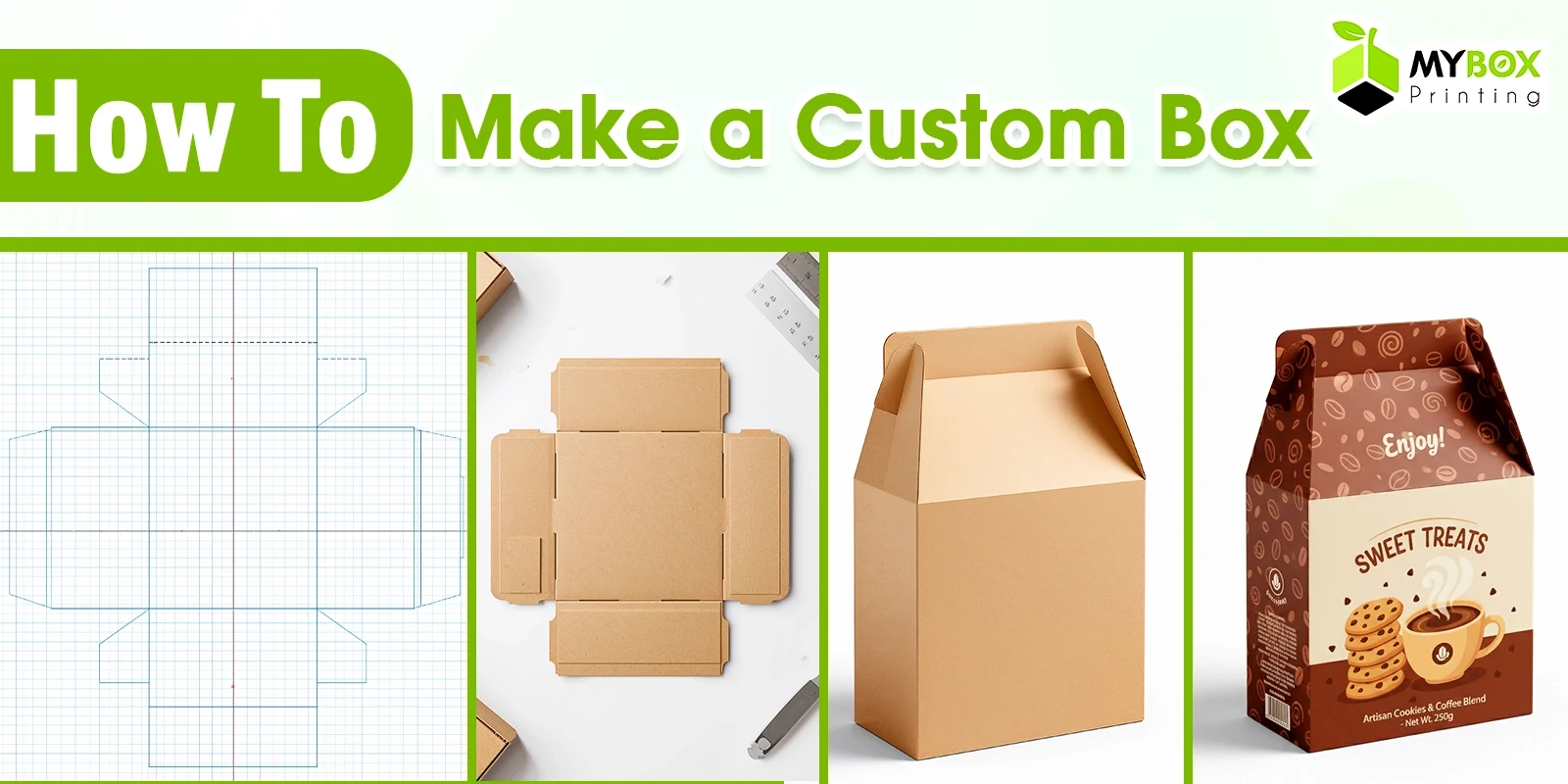
There is no end to paper boxes. Wherever you look, you’ll find them in the form of gift boxes, packaging boxes, retail boxes, display boxes, and so much more. They have a simple yet attractive design that is affordable and highly customizable as well. This makes them the most popular among hobbyists, students, event planners, and even small businesses.
But what if you want to make your own… from scratch? This is the easiest instructional guide you’ll find. So follow along and make your own simple paper box that you can personalize according to your needs.
11 Steps to Make a Paper Box
Step 1: Gather Supplies & Select Paper Weight
You need to gather all these supplies before you start creating your own paper box:
-
Paper (origami, craft, kraft paper, or cardstock paper)
-
Decorative items such as washi tape, stickers, ribbons, etc.
-
Ruler, scissors, or tape
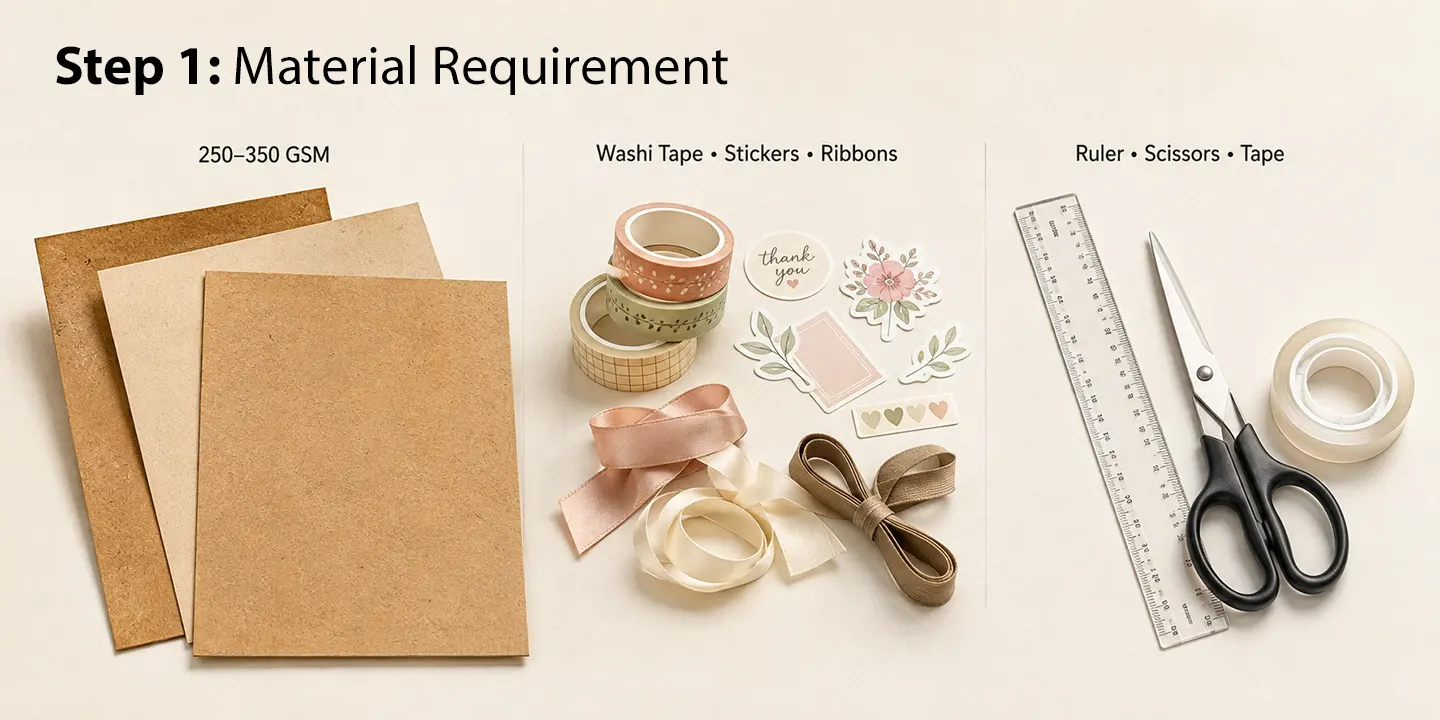
You should use various paper thicknesses and weights for making a paper box; 200–250 GSM paper is best for lightweight boxes. If you want to create a standard gift box or a small accessory-packaged box, use 250–350 GSM paper.
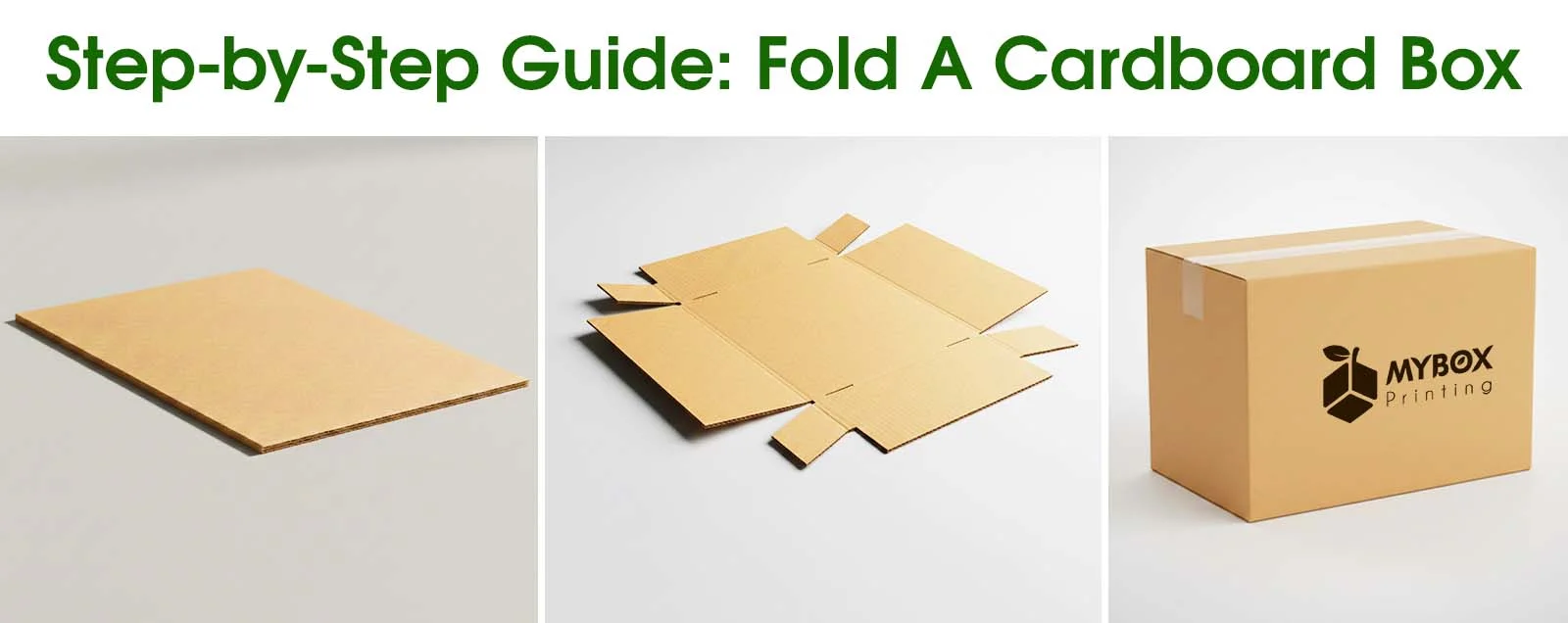
If you're new to paper folding, the techniques here work similarly to folding a cardboard box by hand, just with lighter material and finer creases.
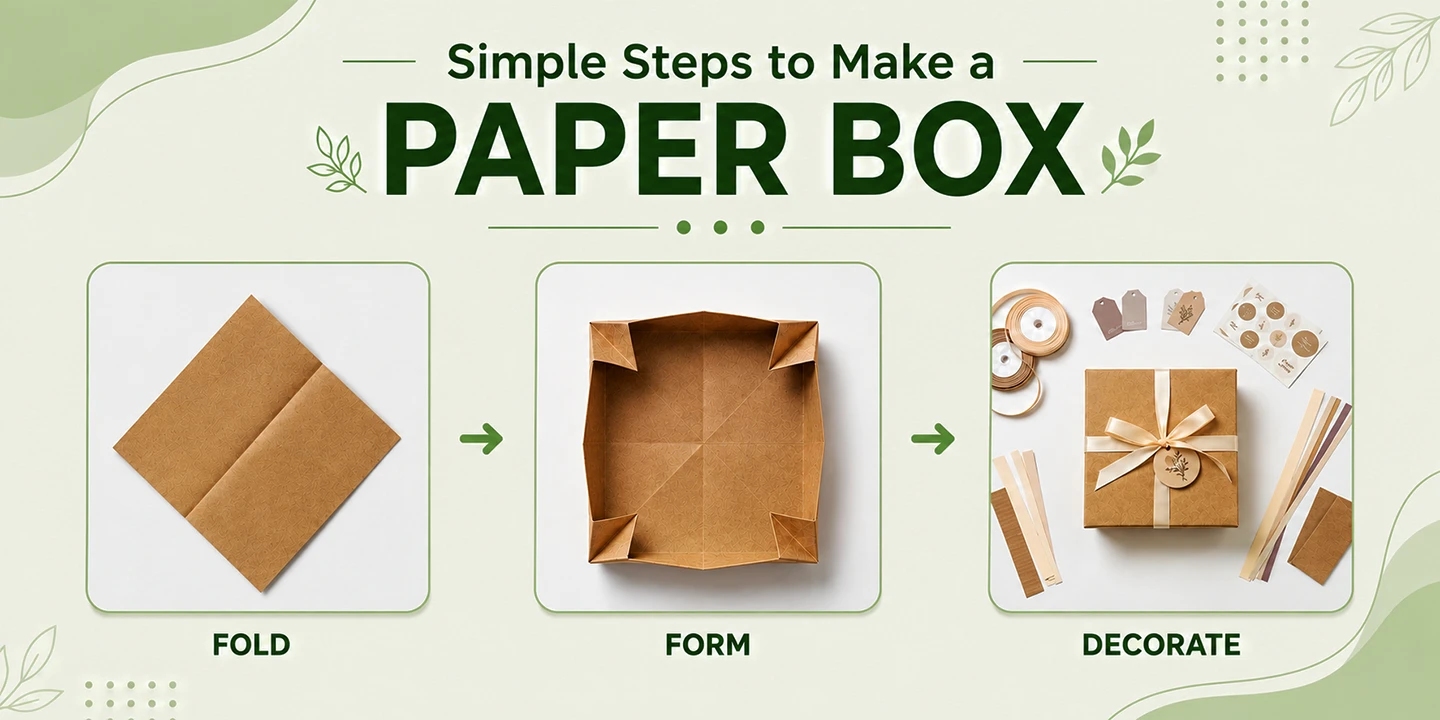
Step 2: Fold the Paper Into a Square
Note: The size of the box depends on the choice of paper and your product. You can choose an 8 x 8 in (20 x 20 cm) square sheet of cardstock for slightly heavier objects or simple craft paper for small accessories and gifts.
Just fold one corner diagonally until the edges align. Now trim away the excess strip to get a perfect square.
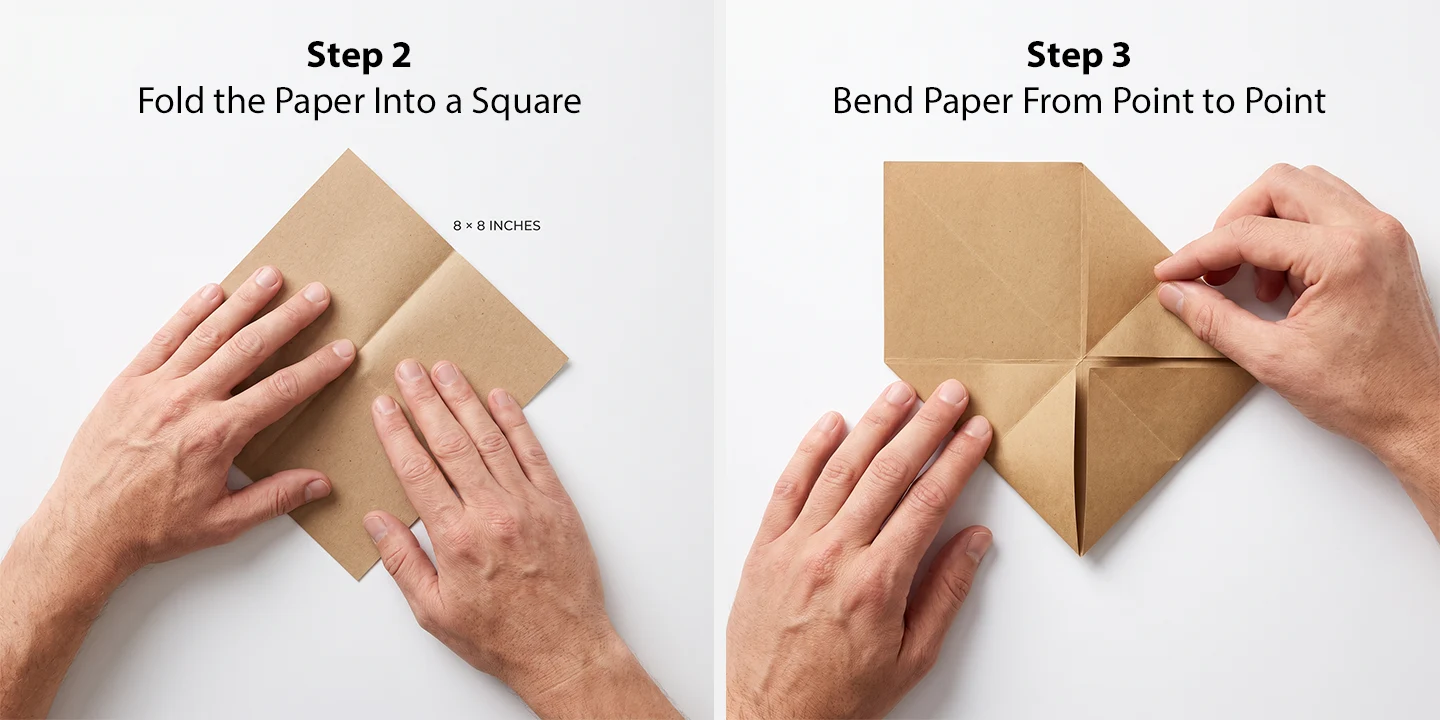
Step 3: Fold Diagonal Crease Guidelines
Fold the square from one side corner to its opposite corner in a diagonal motion and press the paper firmly. Open it and repeat with the other side corner. This will create a crease line mark right in the center of the paper.
Step 4: Fold All Four Corners to the Center Point
Bend the 4 corners of the paper inward towards the center and press down on the creases to create small squares with folded flaps. Fold each one into triangles.
Step 5: Fold Top & Bottom Edges to the Center
Fold the top and bottom edges toward the central line and do the same with the other edges. Turn the paper and do the same with the other two sides, and open all the folded sides.
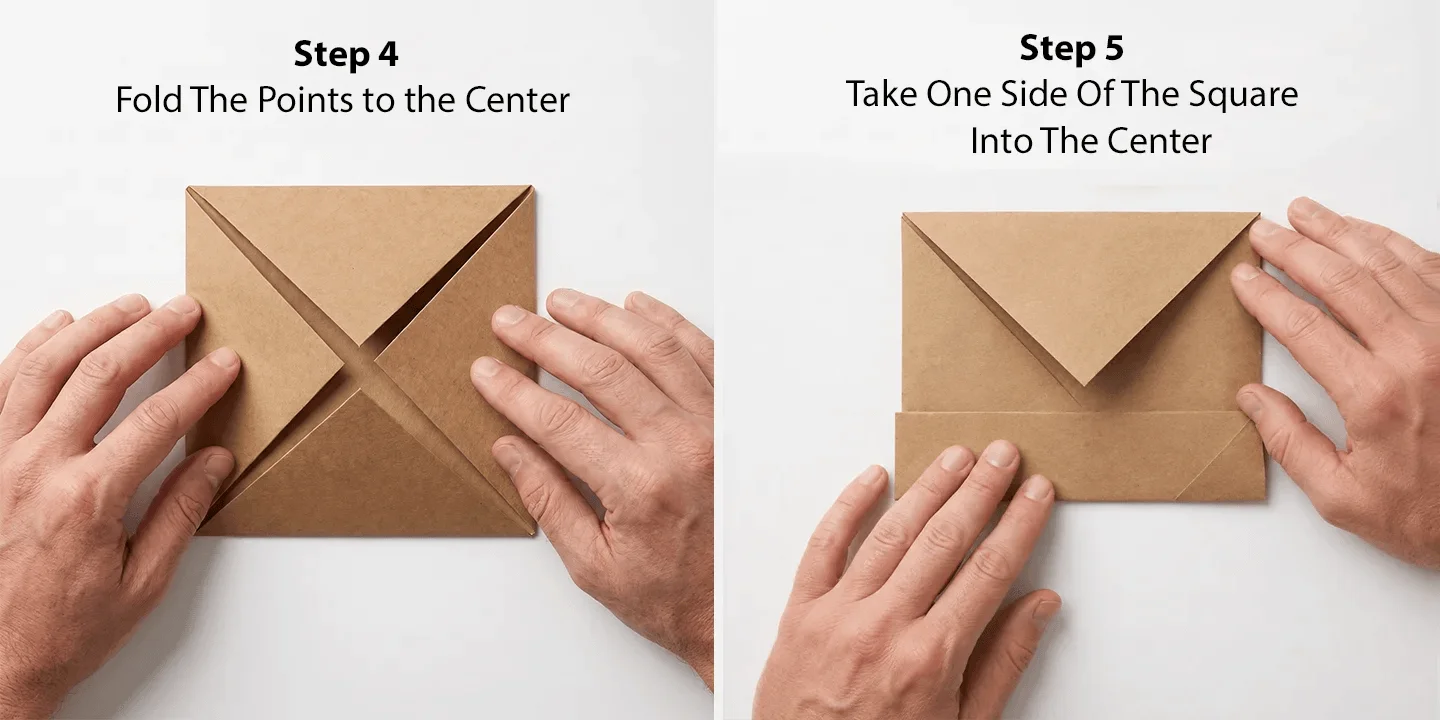
Step 6: Make 4 Cuts Along the Crease Lines
Use scissors to make cuts along the vertical line at the top and bottom of the paper edge. Cut along the short outer crease lines, 2 near the top edge and the other 2 near the bottom edge.
Step 7: Fold Corner Flaps Inward (Tricky Part)
Using the cuts made in step 7, fold all the small corner flaps inward and make crisp corners. Fold up the two sides of the wall tabs along with the existing creases. The walls should stand at a right angle with the base, with all the triangles tucked inside.
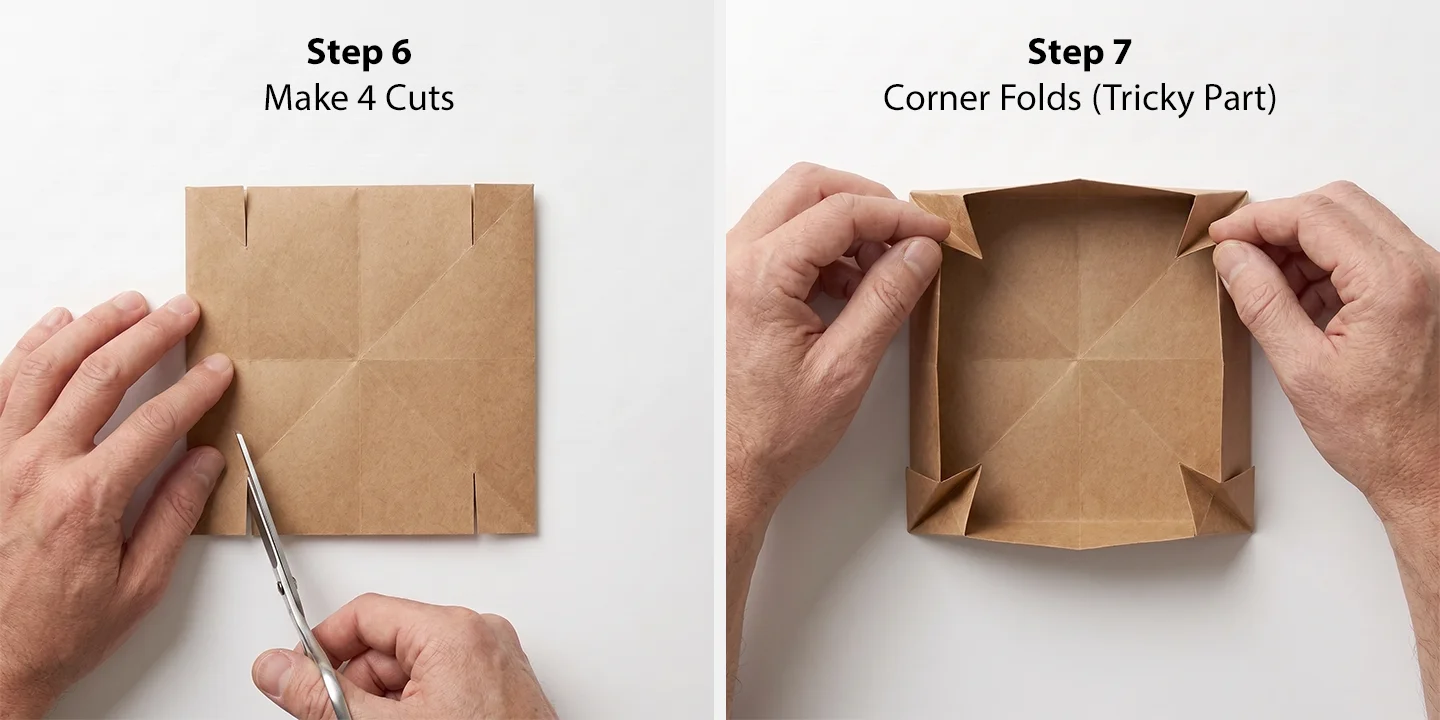
Step 8: Raise the Left and Right Side Walls
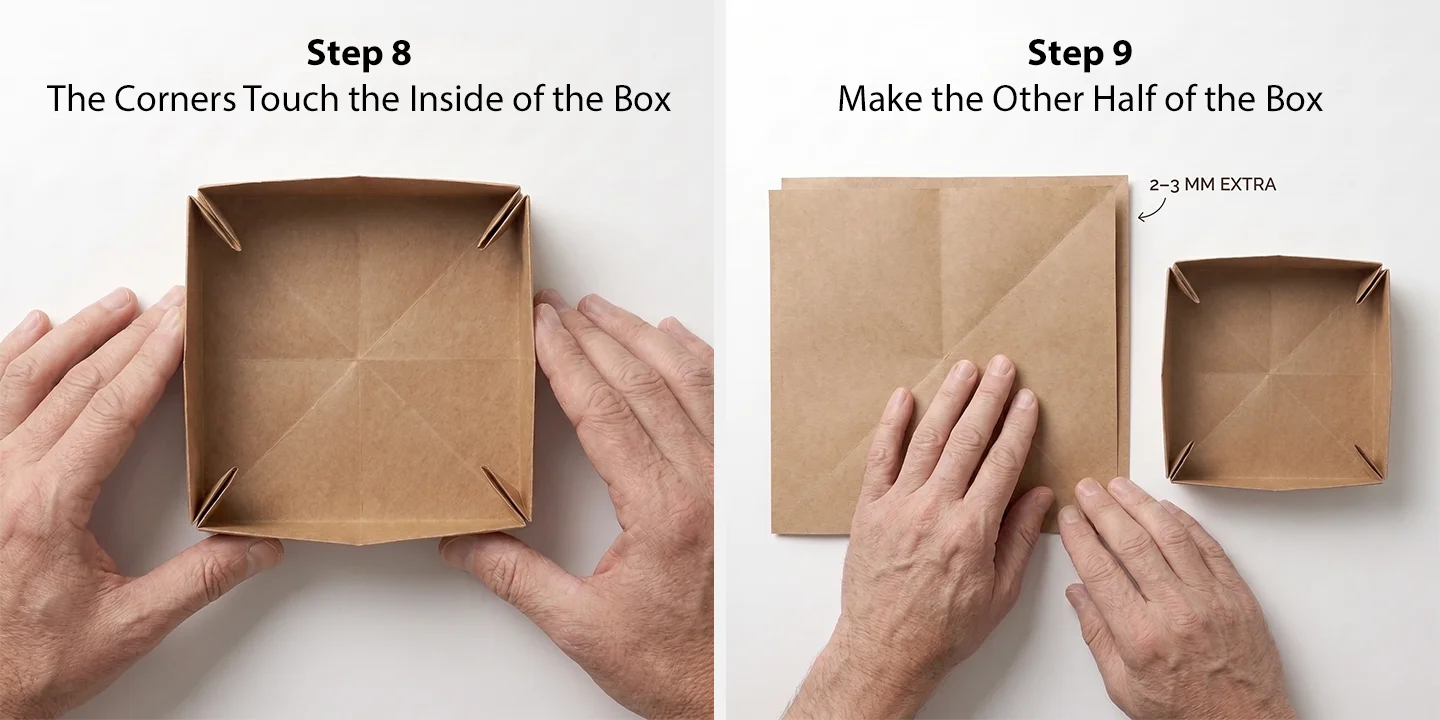
The folded corners should come together with connected corners from inside the box. Fold the top flap of paper into a box. Once you press the flat against the interior wall, the corners will stay firmly and will support the walls.
Step 9: Make the Lid (Allow 2–3 mm Sizing Gap)
Now you need to make the lid of the box. Repeat steps 2 to 8 with a new sheet of paper, but this time leave about half an inch, or 2-3 mm, of the extra paper before cutting.
Step 10: Fit the Base and Lid Together
Place the lid over the base and gently press the sides into place. The lid should fit snugly without being too tight.
Remember: With an 8.5 x 11-inch paper, you’ll get a 2.5 x 2.5 x 2.5 inch (6.5 cm x 6.5 cm x 6.5 cm) finished paper box. This is big enough to store your jewelry, candy, or smaller cherished objects.
Step 11: Decorate Your Paper Box
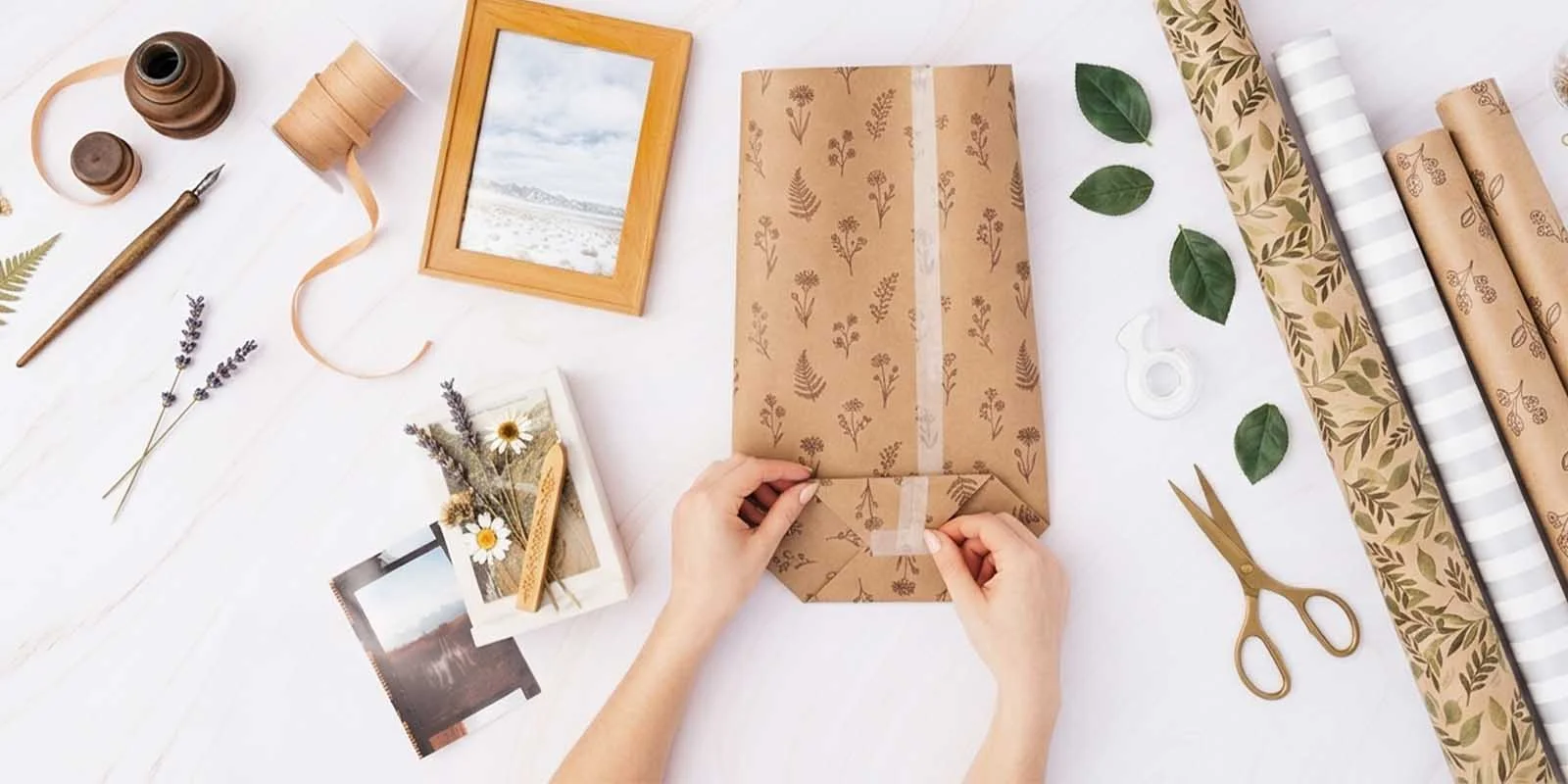
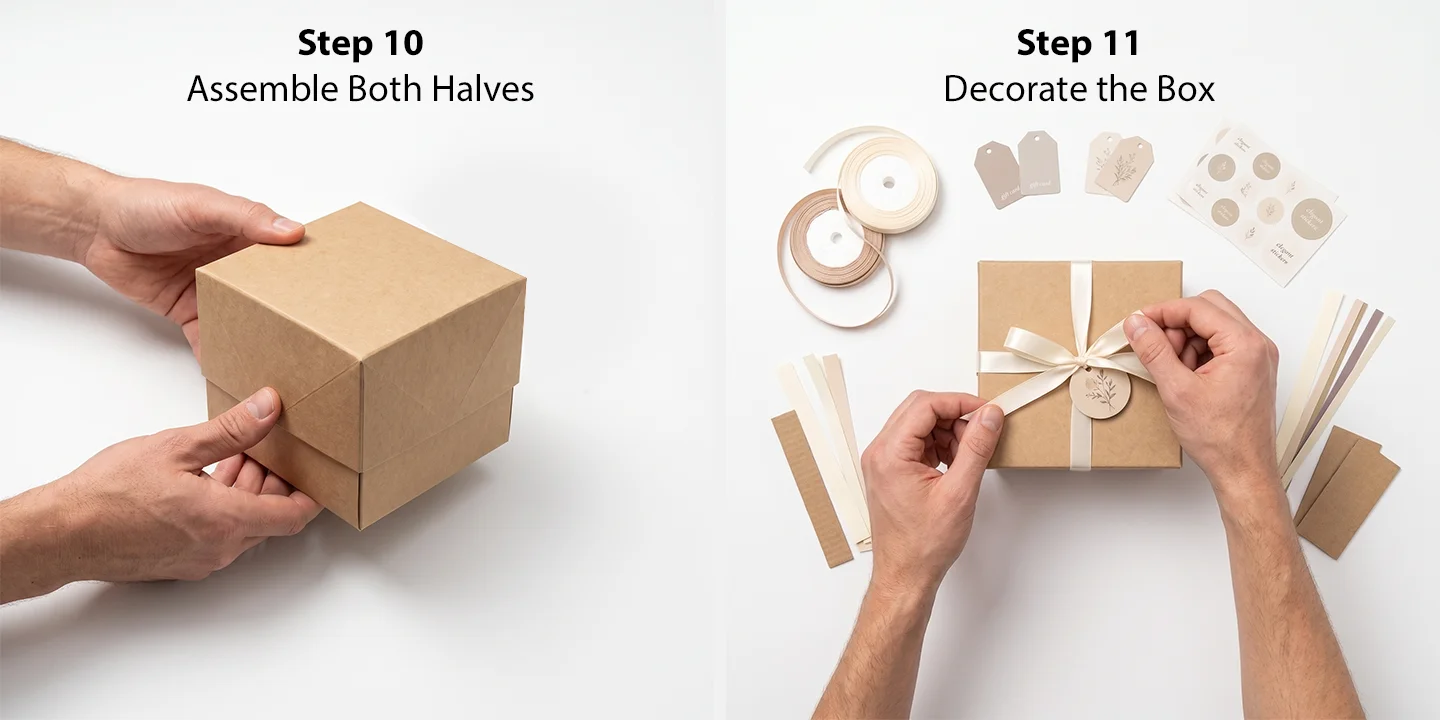
You can customize it with stickers, ribbons, and designs to give a personal feel. If you want to get an even more textured finish, use a sturdier thin material such as cardboard or colored printing paper.
Practical Uses for DIY Paper Boxes (And When to Upgrade)
The box that you made from scratch can only hold small items or accessories. Users can use them for gifting purposes, small product packaging, or giving at holidays, parties, or birthdays. A more sturdy and heavy material box paper can help you hold bulkier products.
These boxes offer better protection for your products, and you can keep them securely stored for a long period of time. For extra cushioning on fragile items, many people pair their paper boxes with bubble wrap or similar padding. Such solid paper boxes can be used as subscription boxes, retail packaging, gift boxes, etc.
All the paper boxes that you make at home are very affordable and easy to make, and they have a spark of personal touches as well. But they are not very practical. If you are managing a handful of boxes for local gifts, it’s not an issue.
What will you do if you want to deliver hundreds of boxes? You need an effective production line to create several of them all at once. If you're scaling up shipments yourself in the meantime, our guide on taping and sealing boxes securely can help. That is when a business should move from box making to industrial custom paper box production.
DIY Paper Boxes vs. Custom Paper Boxes: What's the Difference?
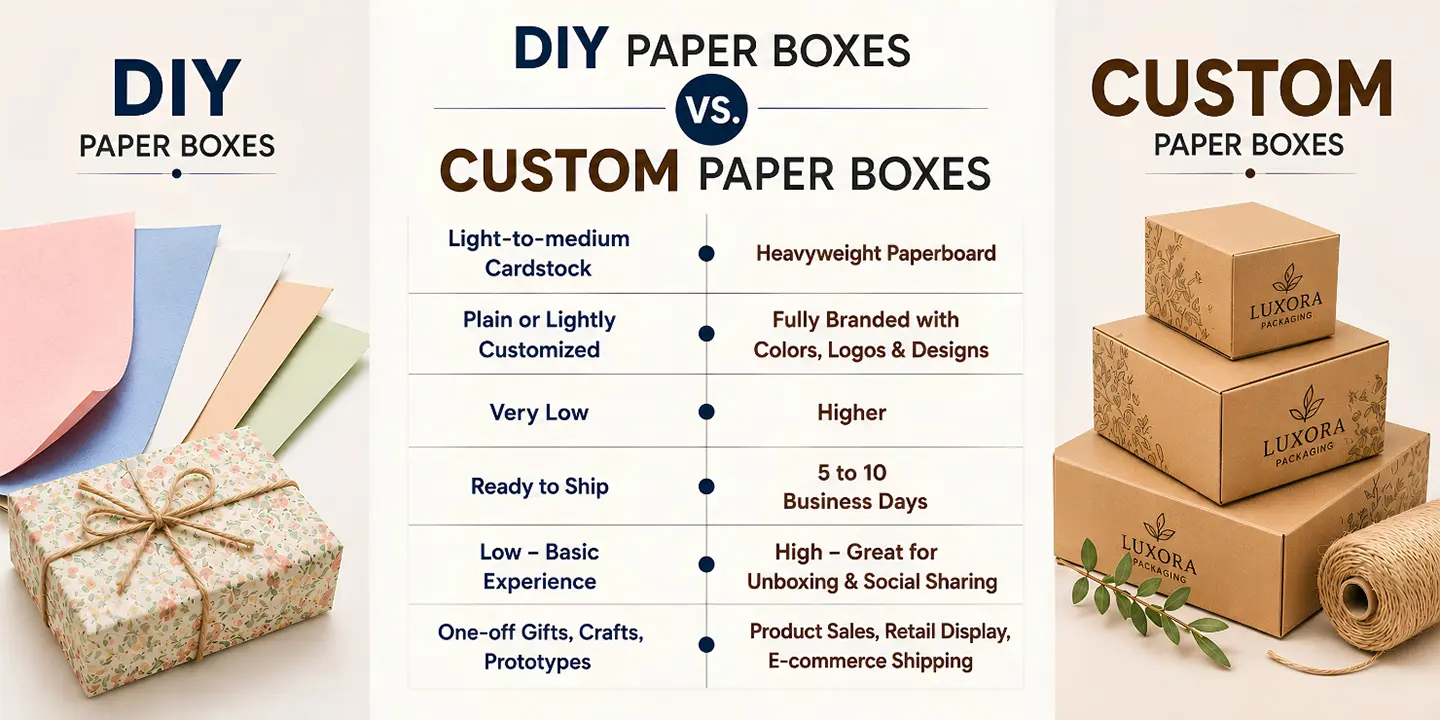
The comparison of these two paper boxes depends on how they are used in the real world. Each has its benefits but also lacks in others. Let’s have a look:
| Aspects | DIY Paper Boxes | Custom Paper Boxes |
|---|---|---|
| Material Strength | Light‑to‑medium cardstock | Heavyweight folding paperboard, rigid board, corrugated flute |
| Branding | Plain or lightly customized | Fully branded with colors, logos & designs |
| Cost | Very low | Higher |
| Lead Time | Ready to ship | 4 to 6 business days |
| Customer Experience | Low: Basic experience | High: Great for unboxing & social sharing |
| Best For | One‑off gifts, crafts, prototypes | Product sales, retail display, e‑commerce shipping |
Frequently Asked Questions About Paper Boxes
What is the best paper weight (GSM) for making a paper box?
If you want both strength and flexibility, use cardstock (200-300 GSM thick). For a durable box, choose paperboard that is above 300 GSM.
Can you make a paper box without glue, a ruler, or tape?
Yes, there are many origami-style paper boxes that you can fold into locked boxes without needing any glue.
How Do You Size a Paper Box Lid?
The lid of the box should be slightly bigger than the base of the box. The lid should be slightly larger than the base, typically about 2 to 3 mm wider overall, so it can slide over the base easily.
Who can benefit from learning how to fold paper boxes?
It is best for:
-
DIY enthusiasts
-
Gift makers
-
Event planners
-
Hobbyists
-
Etsy Sellers
-
Small business owners
It's also helpful for anyone who wants to create handmade gift boxes or storage containers or wants to create prototypes for their product packaging.
Can a paper box be waterproof?
Of course! But you need to use laminated paper, a paper with waterproof coatings, or clear protective films wrapped around it to be water-resistant.
When Should a Business Switch From DIY to Custom Paper Boxes?
The best time is when they need consistency with a higher production rate. Brands also need better product protection and branded packaging that can help them enhance the customer experience.
What box style is best for packaging products?
A simple square or rectangular box is versatile for everyday use, but you can go for drawer boxes, magnetic closure boxes, pillow boxes, gable boxes, and window boxes.
Elevate Your Brand with Custom Paper Boxes from My Box Printing
Homemade paper boxes are an excellent choice for DIY projects, but if your business grows beyond that, then making each box from scratch will take forever. So, turn to My Box Printing, where we offer you a wide range of material choices from cardboard to rigid.
We provide you with the best custom paper boxes in FSC-approved materials for any customization you want. There are a wide range of color printing options, which can help you design your logo or artwork in full vivid colors. You can stylize the box in any shape or size you want with great functional features.
Whether you’re a large gift company or a startup, our custom boxes are available for any type of product or item. Call us today and get an instant quote.